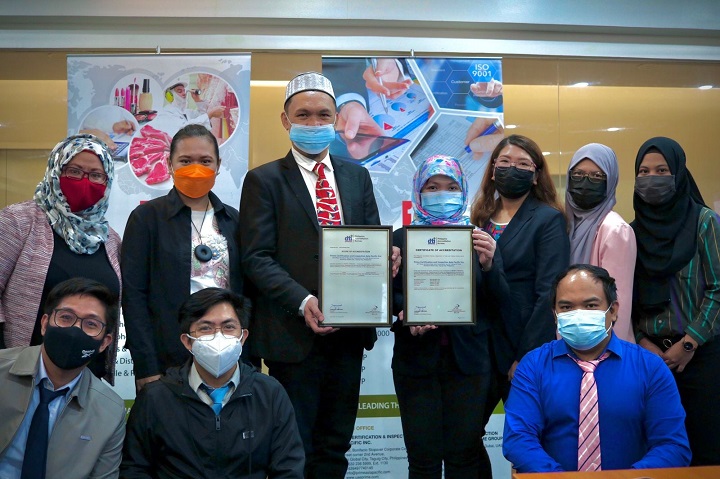
The halal certifiers in the Philippines is regulated under the Halal Act of 2016 (Republic Act 10817), which mandates the promotion of halal-certified goods for export and the regulation of halal certification in the country. The law created the Halal Export Development and Promotion Board, which includes various government agencies such as the Department of Trade and Industry (DTI), the National Commission on Muslim Filipinos (NCMF), and other departments to oversee its implementation. (See also Halal Business 101) The Philippine Accreditation Bureau (PAB), under the DTI, is responsible for accrediting halal-certifying bodies, inspection entities, and laboratories. The Department of Science and Technology (DOST) also supports the halal certification process through its network of OneLab laboratories that conduct halal testing. As of 2020, here are the halal-certification bodies (HCBs) are recognized in the Philippines! Top 5 Halal Certifiers in the Philippines These organizations play a critical role in certifying that products and services comply with halal standards, ensuring they meet the requirements of Islamic law. The National Commission on Muslim Filipinos (NCMF), established by Republic Act 9997 of 2010, also plays a vital role in accrediting halal certifiers and supporting the development of the halal industry across the country. The NCMF acts as the governing body for halal certification in the Philippines, with the goal of fostering the growth of the industry and supporting Muslim Filipino communities. Read also: DTI Pushing Halal Philippines industry in region 2 Given the national efforts led by various stakeholders, the Philippines is continually enhancing its halal certification framework, paving the way for greater opportunities in both domestic and international markets.
5 Best SEO Efforts for Growing the Halal Market in Mindanao
The Halal market in Mindanao, a region rich in cultural heritage and a significant Muslim population, is poised for tremendous growth. However, to tap into this potential fully, businesses within the Halal sector must embrace modern marketing strategies, particularly Search Engine Optimization (SEO). SEO can play a crucial role in helping the Halal industry in Mindanao not only reach a wider audience but also build trust, enhance visibility, and drive growth. Check out this also “How Halal Search Engines Can Guide Your Online Exploration?“ A Growing Industry to Boost The Halal Market in Mindanao Mindanao is home to a large Muslim population, making it a natural hub for the Halal industry. From food and beverages to cosmetics and pharmaceuticals, the demand for Halal-certified products is on the rise “Top 5 Halal Certifiers in the Philippines“. However, while there is a growing local demand, the potential to export Halal products to international markets, particularly in Southeast Asia and the Middle East, remains largely untapped. Why SEO is Essential for the Halal Industry? Top 5 SEO Efforts for Growing the Halal Market in Mindanao To effectively leverage SEO, Muslim businesses in Mindanao should consider the following strategies: Consumer Query Research Identify and use relevant keywords that potential customers are searching for, such as “Halal food Mindanao,” “Halal cosmetics Philippines,”, “Halal-certified products.”, in a long-tail keyword like “What Non-Food Products Need to Certify?” or “Halal Certification In Davao City“. Local SEO Optimize Google My Business listings, create location-based content, and gather customer reviews to improve visibility in local search results. Content Marketing Create high-quality content that educates and informs customers about the importance of Halal certification, the process, and the benefits of Halal products. Mobile Device Optimization Ensure that websites are mobile-friendly, as a significant portion of online searches are conducted on mobile devices. Check out: The Role of Mobile Devices. Link Building Build a network of quality backlinks from reputable websites to improve the site’s authority and ranking. Conclusion SEO offers a powerful tool for the Muslim businesses to expand its reach and grow its customer base. By adopting SEO strategies, Halal markets can enhance their online presence, build trust with customers, and compete in both local and international markets. In a region with such rich potential, SEO could be the key to unlocking new opportunities and driving the Halal industry forward.
Halal for Business 101 — A Path to Ethical Practices and Expanding Market Reach
@jiisaaduddin Halal for businesses are increasingly recognizing the value of adhering to ethical practices and cultural sensitivities. One such practice gaining prominence is Halal compliance. Halal, an Arabic term meaning “permissible” or “lawful,” primarily relates to dietary laws in Islam but extends to various aspects of business operations. For businesses aiming to tap into the Muslim market or enhance their ethical credentials, understanding and implementing Halal practices can open new avenues for growth and foster a positive brand image. Check out the latest update on top 5 halal certifiers in the Philippines. In the realm of digital exploration, this concept translates into practices such as “Halalgoogling.” Just as businesses are aligning their operations with Halal standards, individuals are also seeking ways to ensure their online activities reflect their faith. Halalgoogling involves searching for and engaging with online content in a manner that is consistent with Islamic values. This is where Halal search engines come into play. These specialized tools help filter out inappropriate content, ensuring that your online searches and interactions remain in line with Islamic principles. Join Saaduddin Portal to expand your reach and connect with a broader audience interested in ethical and Halal-compliant practices. Understanding Halal for Business Halal is a set of guidelines that dictate what is permissible for Muslims, encompassing dietary laws, business conduct, and ethical practices. The core principles of Halal are derived from the Quran and Hadith (sayings of the Prophet Muhammad). While Halal is most commonly associated with food and drink, it also encompasses financial transactions, business dealings, and even lifestyle choices. 3 Key Areas of Halal Compliance Food and Beverage Products must not contain any prohibited substances, such as pork or alcohol. Additionally, the slaughtering process for meat must meet specific Islamic guidelines. Financial Transactions Halal finance avoids interest (Riba) and investments in businesses that engage in unethical practices like gambling or tobacco. Business Practices Ethical conduct, honesty, and transparency in transactions are essential. Halal business practices emphasize fairness and respect in dealings with clients, suppliers, and employees. 5 Benefits of Adopting Halal Practices Access to a Growing Market The global Muslim population is estimated to exceed 1.8 billion, representing a substantial consumer base. Adhering to Halal practices can attract this market segment and increase customer loyalty. International Opportunities Halal certification can facilitate entry into markets in the Middle East, Southeast Asia, and other regions with significant Muslim populations. Ethical Branding Halal compliance signals to consumers that a business adheres to ethical and responsible practices, which can enhance brand reputation and trust. Diverse Customer Base Offering Halal products or services demonstrates inclusivity and respect for diverse cultural and religious practices. Compliance with Local Regulations In many countries, Halal certification is a regulatory requirement for food products and services. Ensuring compliance helps avoid legal issues and potential fines. 5 Implementing Halal Practices in Business Certification Bodies Engage with recognized Halal certification organizations that can assess and verify compliance with Halal standards. Certification involves rigorous audits and inspections to ensure adherence to Islamic guidelines. Educate and Train Staff Provide training for employees to understand Halal principles and their application in daily operations. This ensures that all staff members are aligned with the company’s ethical standards. Product Development Reformulate products or adjust processes to meet Halal requirements. For food businesses, this may involve sourcing Halal-certified ingredients and ensuring proper handling and processing. Financial Practices Implement Shariah-compliant financial practices, avoiding interest-based transactions and investing in ethical ventures. Transparency Clearly communicate Halal status and practices to customers through labeling, marketing materials, and website content. This transparency builds trust and credibility with your audience. Embracing Halal practices in business is not just about meeting religious requirements; it’s about aligning with ethical standards and expanding market opportunities. By implementing Halal compliance, businesses can tap into a growing consumer base, enhance their brand image, and ensure they meet regulatory standards. As global markets become increasingly diverse, understanding and adopting Halal practices can position businesses for success in a competitive landscape, appealing to both Muslim and non-Muslim consumers who value ethical and responsible practices.