In internet marketing, long-term cost-efficiency with Islamic SEO “Halalgoogling” is essential for businesses to thrive. You should know about Muslim SEO specialists, Search Engine Optimization (SEO) plays a critical role in enhancing this presence by improving a website’s visibility on search engines like Google and Bing. A Muslim SEO Specialist not only offers SEO services but does so while respecting Islamic principles and cultural sensitivities. What is SEO? Basically! SEO refers to a variety of strategies aimed at improving a website’s ranking in search engine results pages (SERPs). It involves techniques such as keyword research, content optimization, link building, and technical enhancements to increase online visibility. Why SEO Matters for Businesses In an increasingly competitive online marketplace, appearing on the first page of search results can make a significant difference in a business’s visibility and success. Statistics show that most users do not go beyond the first page of search results, underscoring the importance of ranking high on SERPs. Why Work with a Muslim SEO Specialist? A Muslim SEO Specialist brings unique advantages for businesses targeting Muslim audiences or operating within Muslim-majority markets. By understanding Islamic values, traditions, and cultural nuances, they can craft SEO strategies that resonate with this demographic while upholding halal standards in digital marketing. One such expert is Jii Saaduddin, a Maranao SEO Programmer and owner of MuslimSEO.com. With his deep understanding of Maranao culture, Islamic principles, and SEO strategies, Jii has successfully helped businesses connect with Muslim consumers, particularly in the BARMM (Bangsamoro Autonomous Region in Muslim Mindanao) and broader Muslim communities in the Philippines. Key Qualities of a Muslim SEO Expertise Expertise in SEO StrategiesA qualified SEO specialist possesses in-depth knowledge of SEO techniques and keeps up with the latest industry trends to ensure effective optimization. Their expertise includes on-page SEO, technical SEO, link building, and content marketing, all tailored for maximum impact. Cultural Awareness and SensitivityCultural sensitivity is essential for targeting Muslim consumers. A Muslim SEO Specialist ensures that all marketing efforts align with halal practices, creating content that is culturally appropriate and avoids content that may be seen as offensive or un-Islamic. Integrity and TrustworthinessTransparency and ethical practices are foundational values for a Muslim SEO specialist. They work with integrity, building long-term relationships with clients by providing honest and effective SEO services that respect Islamic guidelines. Benefits of Hiring a Muslim SEO Specialist Culturally Tailored SEO StrategiesA Muslim SEO Specialist can customize SEO strategies to resonate deeply with Muslim audiences. This includes the use of culturally relevant keywords, crafting halal-compliant content, and integrating Islamic values into broader marketing campaigns. Building Trust with Muslim ConsumersBusinesses that demonstrate an understanding of Islamic values are more likely to gain the trust and loyalty of Muslim consumers. By working with a Muslim SEO specialist, brands can develop credibility within the community, increasing customer satisfaction and loyalty. Enhancing Brand ReputationA well-executed SEO strategy boosts not just a brand’s visibility, but also its reputation. Engaging Muslim consumers through respectful and culturally appropriate content can position a brand as trustworthy and ethical, which is highly valued in Muslim communities. Challenges for Muslim SEO Specialists Navigating Religious and Cultural SensitivitiesCrafting SEO strategies while respecting Islamic principles requires a careful approach. A Muslim SEO Specialist must strike a balance between promoting products or services and adhering to Islamic values, such as avoiding content that may contradict halal guidelines. Overcoming Industry BiasMuslim SEO specialists may face challenges due to industry biases or stereotypes. However, their knowledge and commitment to delivering results help overcome such obstacles, earning them the trust of clients in various industries. Proven Strategies for Success Audience Research and UnderstandingSuccess in SEO begins with a deep understanding of the target audience. A Muslim SEO Specialist conducts comprehensive research to identify the preferences, values, and behaviors of Muslim consumers, allowing them to create highly effective strategies. Adhering to Halal SEO PracticesHalal SEO means implementing ethical, permissible marketing strategies in accordance with Islamic guidelines. This approach ensures that businesses promote products or services aligned with halal standards, which builds long-term trust with Muslim consumers. Engaging with the Muslim CommunityNetworking within the Muslim community is essential for success. Muslim SEO specialists actively build relationships with key influencers, thought leaders, and organizations to expand their reach and establish strong community connections. Case Studies of Successful Muslim SEO Experts MuslimSEO.com has helped multiple clients in Muslim-majority markets and businesses targeting Muslim consumers achieve significant growth in organic traffic and online visibility. For example: Wrap Up In conclusion, working with a Muslim SEO Specialist offers numerous benefits for businesses seeking to engage Muslim consumers effectively. By combining their SEO expertise with a deep understanding of Islamic culture and principles, these specialists help businesses build trust, credibility, and visibility in the digital world. Whether targeting Muslim-majority markets or simply wishing to align with halal standards, hiring a Muslim SEO specialist is a key step toward success. FAQs What sets a Muslim SEO specialist apart?A Muslim SEO Specialist brings together SEO expertise and a deep understanding of Islamic values, ensuring that SEO strategies resonate with Muslim consumers and uphold halal principles. Can non-Muslim businesses benefit from hiring a Muslim SEO specialist?Absolutely. Non-Muslim businesses can benefit from a Muslim SEO specialist, especially if they aim to reach Muslim audiences or operate in markets where cultural sensitivity is important. Which industries can benefit most from a Muslim SEO specialist?Industries such as halal food, Islamic finance, modest fashion, and travel can greatly benefit from the insights and strategies provided by a Muslim SEO specialist. How can businesses find reputable Muslim SEO specialists?Businesses can find reputable Muslim SEO specialists through platforms like MuslimSEO.com, industry associations, referrals, and networking within Muslim communities.
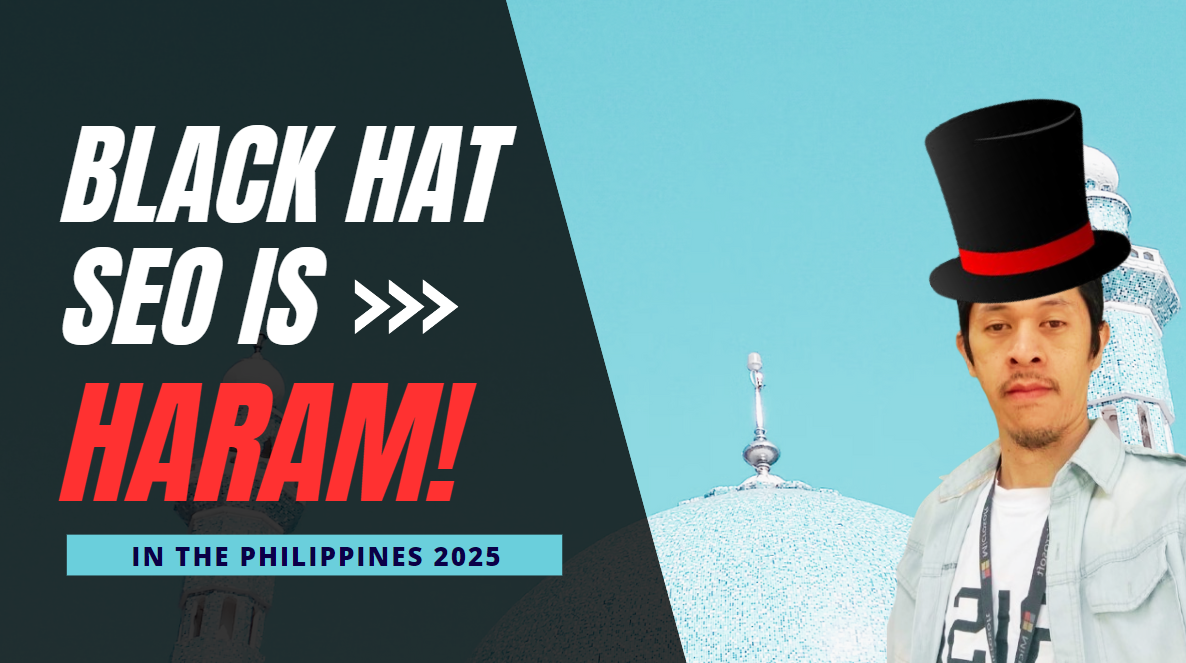
Why Black Hat SEO is Haram? 3 Authentic Informational Guide
In the digital industry, SEO (Search Engine Optimization) techniques improve business visibility including brand, product or services through websites on search engines. However, not all SEO best practices are ethical. Black Hat SEO, which involves deceptive tactics to manipulate search engine rankings, is considered Haram (forbidden) in Islam. For those looking to delve deeper into effective SEO strategies tailored for Muslim audiences, we highly recommend the ‘Best Comprehensive Guide on How to Do SEO for Muslim Strategy for 2025.’ This guide offers a thorough exploration of the latest trends and best practices for achieving SEO success within the context of Muslim values and interests. Must Read: The 3 Different Types of SEO Masters (Black Hat, White Hat, and Grey Hat) This guide explains why Black Hat SEO is Haram, providing insights into its practices and their alignment with Islamic principles. Why Black Hat SEO is Haram? An Authentic Informational Guide 1. Understanding Black Hat SEO Definition: Black Hat SEO refers to unethical practices used to boost a website’s ranking in search engine results pages (SERPs). These methods violate search engine guidelines and are intended to deceive both the search engine algorithms and users. Common Black Hat SEO Techniques: 2. Why Black Hat SEO is Haram 2.1 Deception and Dishonesty Explanation: Islam places a high value on honesty and integrity. Black Hat SEO involves deception, both towards search engines and users. Using tactics like cloaking and hidden text to mislead search engines and manipulate rankings conflicts with Islamic principles of truthfulness and fairness. Reference: 2.2 Harmful Impact on Users Explanation: Black Hat SEO techniques can harm users by providing them with misleading information or poor-quality content. Islam emphasizes the importance of serving the community with respect and providing value. Misleading users through deceptive SEO practices contradicts this ethical obligation. Reference: 2.3 Violation of Trust Explanation: SEO practices should aim to build trust between the website owner and the audience. Black Hat SEO undermines this trust by manipulating search results, leading to a false sense of credibility. Islam values trust and ethical conduct in all interactions. Reference: 2.4 Short-Term Gains with Long-Term Risks Explanation: Black Hat SEO may offer quick results, but it often leads to severe penalties from search engines, including being banned from search results. This pursuit of short-term gain at the expense of long-term consequences is against the Islamic principle of pursuing sustainable and honest outcomes. Reference: 3. Ethical Alternatives is White Hat SEO Explanation: White Hat SEO aligns with Islamic principles as it involves ethical practices that respect search engine guidelines and user experience. White Hat techniques focus on providing valuable content, optimizing user experience, and building genuine authority. Key White Hat SEO Practices: Conclusion Black Hat SEO is considered Haram because it involves deception, harms users, violates trust, and seeks short-term gains at the expense of long-term consequences. Adhering to ethical SEO practices, such as White Hat SEO, aligns with Islamic values of honesty, integrity, and respect for others. By embracing ethical SEO, businesses and individuals can achieve sustainable success while adhering to their faith’s principles. References:
Best Comprehensive Guide on How to Do SEO for Muslim Strategy for 2025
How to do SEO for Muslim strategy? Let’s tackle first about SEO, it is refers to “Search Engine Optimization” is essential for businesses and organizations seeking to connect with Muslim markets online. Developing an Muslim SEO strategy that aligns with their cultural values and religious principles is crucial for businesses in halal insights, Islamic finance, educational institutions, and other sectors serving Muslim communities. Setting the Context Introduce the concept of social media algorithms and how understanding them is critical for effective SEO and digital marketing strategies targeting Muslim audiences: In data science, social media platforms play a significant role in shaping online visibility and engagement. Analyzing the algorithm of social media platforms is crucial, particularly when trying to connect with niche audiences such as the Muslim community. By understanding how SOCMED platform personalities influence algorithmic behavior, you can tailor your SEO and social media strategies to better resonate with your target audience. How to Do SEO for Muslim Strategy? This guide offers actionable steps and insights on how to build a successful SEO strategy tailored for Muslim brands. 1. Understanding the Muslim Audience a. Cultural and Religious Sensitivity Muslim audiences are diverse, but they share common cultural and religious values that shape their online behavior. Understanding the importance of halal (permissible) and haram (forbidden) content is key to creating relevant and respectful online experiences. For example: Tip: Working with a Muslim SEO expert in the Philippines, especially one familiar with local and global Muslim markets, can provide invaluable insights into understanding your audience’s needs more deeply. Must read also “Facebook Data 2024“! b. Demographic Research Conduct thorough demographic research to understand the specific needs and interests of the Muslim communities you are targeting. This includes: 2. Keyword Research with a Muslim Focus a. Identify Relevant Keywords Use keyword research tools to find search terms relevant to your Muslim audience. Focus on long-tail keywords that are specific to Islamic practices, halal products, and religious events. For example: b. Incorporate Islamic Terms Include Islamic phrases and terms that are commonly searched. For instance: Understanding Islamic terminology and integrating these into your keyword strategy will help you rank for searches that are important to Muslim users. 3. On-Page SEO for Muslim-Centric Content a. Optimize Titles and Meta Descriptions Your page titles and meta descriptions should reflect the values and interests of Muslim audiences. Make sure to: b. Content Structure Create content that is easily digestible, engaging, and informative. Consider: c. Multilingual Content If targeting Muslims globally, consider translating your content into languages such as Arabic, Malay, or Urdu to reach a wider audience. Additionally, optimize content for local search engines such as Baidu (for Muslim communities in China) or Yandex (for Muslim communities in Russia). 4. Technical SEO Considerations a. Mobile Optimization Muslim communities, like many others, frequently access the internet via smartphones. Ensure your website is mobile-friendly and loads quickly across devices. b. Secure Hosting (HTTPS) Security and trust are paramount for Muslim consumers, especially when dealing with sensitive religious or financial information. Use HTTPS to secure your website and build trust with your audience. c. Schema Markup for Halal Certification If your business involves halal products or services, implement schema markup to display certifications prominently in search engine results. This can help Muslim consumers quickly identify whether your offerings are halal-compliant. 5. Content Marketing for Muslim Audiences a. Create Value-Driven Islamic Content Create content that adds value to the Muslim community, such as: Family and relationships are integral aspects of Muslim life, making them important topics for content marketing. Consider publishing blog posts, videos, or social media content that address Islamic teachings on marriage, raising children according to Islamic principles, or maintaining family harmony. For example, articles on “Women’s Rights in Divorce” or “Divorce Procedures” can generate significant engagement and drive organic traffic from Muslim audiences seeking advice on these topics. b. Utilize Social Media Channels Social media is a powerful tool for reaching Muslim audiences, especially during key Islamic events such as Ramadan, Eid, and Hajj. Consider: c. Respectful and Inclusive Communication Ensure that all content, both written and visual, respects Islamic principles. Avoid inappropriate humor, imagery, or themes that contradict Muslim values. Inclusion and respect are essential when creating content for Muslim audiences. 6. Link Building with an Islamic Focus a. Halal Directories and Muslim Websites Reach out to halal directories and Muslim-focused websites to build backlinks. For example: These backlinks help build domain authority and drive relevant traffic to your site. b. Guest Posting on Relevant Platforms Publish guest posts on reputable Muslim blogs, Islamic forums, and online publications. Focus on delivering high-quality content that offers value to the audience, such as guides on halal investing or tips for planning an Umrah trip. 7. Local SEO for Muslim Businesses a. Optimize for Local Searches If your business operates in a specific region, optimize your website for local searches. For example: b. Participate in Local Events Engage in local Muslim community events, such as Ramadan bazaars or Islamic festivals, and ensure your involvement is reflected in your online presence. This builds both offline and online connections with your target audience. 8. Ethical SEO Practices a. Avoid Black-Hat SEO Islamic principles emphasize ethics and honesty, which should reflect in your SEO strategy. Avoid black-hat SEO practices such as keyword stuffing, buying backlinks, or cloaking content. Instead, focus on ethical, white-hat techniques that align with Islamic values. b. Halal Marketing Approaches Ensure your marketing approaches, including SEO, adhere to halal standards. This means promoting products, services, and content that comply with Islamic guidelines, such as avoiding haram products (e.g., alcohol, pork) and focusing on halal alternatives. 9. Measuring Success: Analytics and Continuous Improvement a. Track Performance Use tools like Google Analytics and SEMRush to monitor your website’s performance. Pay attention to: b. Adapt and Improve SEO is an ongoing process. Continuously optimize your strategy based on data insights and changes in the search landscape. Stay updated on new trends within Muslim markets and adjust your content and SEO tactics accordingly.
Is Your Business Halal Certificated? 5 Halal Certifiers in the Philippines
The halal certifiers in the Philippines is regulated under the Halal Act of 2016 (Republic Act 10817), which mandates the promotion of halal-certified goods for export and the regulation of halal certification in the country. The law created the Halal Export Development and Promotion Board, which includes various government agencies such as the Department of Trade and Industry (DTI), the National Commission on Muslim Filipinos (NCMF), and other departments to oversee its implementation. (See also Halal Business 101) The Philippine Accreditation Bureau (PAB), under the DTI, is responsible for accrediting halal-certifying bodies, inspection entities, and laboratories. The Department of Science and Technology (DOST) also supports the halal certification process through its network of OneLab laboratories that conduct halal testing. As of 2020, here are the halal-certification bodies (HCBs) are recognized in the Philippines! Top 5 Halal Certifiers in the Philippines These organizations play a critical role in certifying that products and services comply with halal standards, ensuring they meet the requirements of Islamic law. The National Commission on Muslim Filipinos (NCMF), established by Republic Act 9997 of 2010, also plays a vital role in accrediting halal certifiers and supporting the development of the halal industry across the country. The NCMF acts as the governing body for halal certification in the Philippines, with the goal of fostering the growth of the industry and supporting Muslim Filipino communities. Read also: DTI Pushing Halal Philippines industry in region 2 Given the national efforts led by various stakeholders, the Philippines is continually enhancing its halal certification framework, paving the way for greater opportunities in both domestic and international markets.
5 Best SEO Efforts for Growing the Halal Market in Mindanao
The Halal market in Mindanao, a region rich in cultural heritage and a significant Muslim population, is poised for tremendous growth. However, to tap into this potential fully, businesses within the Halal sector must embrace modern marketing strategies, particularly Search Engine Optimization (SEO). SEO can play a crucial role in helping the Halal industry in Mindanao not only reach a wider audience but also build trust, enhance visibility, and drive growth. Check out this also “How Halal Search Engines Can Guide Your Online Exploration?“ A Growing Industry to Boost The Halal Market in Mindanao Mindanao is home to a large Muslim population, making it a natural hub for the Halal industry. From food and beverages to cosmetics and pharmaceuticals, the demand for Halal-certified products is on the rise “Top 5 Halal Certifiers in the Philippines“. However, while there is a growing local demand, the potential to export Halal products to international markets, particularly in Southeast Asia and the Middle East, remains largely untapped. Why SEO is Essential for the Halal Industry? Top 5 SEO Efforts for Growing the Halal Market in Mindanao To effectively leverage SEO, Muslim businesses in Mindanao should consider the following strategies: Consumer Query Research Identify and use relevant keywords that potential customers are searching for, such as “Halal food Mindanao,” “Halal cosmetics Philippines,”, “Halal-certified products.”, in a long-tail keyword like “What Non-Food Products Need to Certify?” or “Halal Certification In Davao City“. Local SEO Optimize Google My Business listings, create location-based content, and gather customer reviews to improve visibility in local search results. Content Marketing Create high-quality content that educates and informs customers about the importance of Halal certification, the process, and the benefits of Halal products. Mobile Device Optimization Ensure that websites are mobile-friendly, as a significant portion of online searches are conducted on mobile devices. Check out: The Role of Mobile Devices. Link Building Build a network of quality backlinks from reputable websites to improve the site’s authority and ranking. Conclusion SEO offers a powerful tool for the Muslim businesses to expand its reach and grow its customer base. By adopting SEO strategies, Halal markets can enhance their online presence, build trust with customers, and compete in both local and international markets. In a region with such rich potential, SEO could be the key to unlocking new opportunities and driving the Halal industry forward.
How Halal Search Engines Can Guide Your Online Exploration? Best Practice for Halalgoogling 2024
Have you ever wondered how search engines ensure your online searches reflect your interests? As the digital strategist continues to expand, it’s important to align your browsing habits with your faith. This is where concepts like “Halalgoogling” and tools such as Muslim search engines also come into play. But what do these terms mean, and how can they guide your online activities in a way that’s consistent with Islamic principles? In our “Halal for Business 101” series, we explore practical ways to integrate faith with technology. In this post, we’ll delve into how search engines can enhance your online experience and help you navigate the web in a manner that upholds your values. See the latest best halal certifying bodies in the Philippines today! Let’s discover how they can enhance your online experience. What Are Halal Search Engines? Halal search engines are specialized tools designed to provide content that adheres to Islamic principles. Unlike Google search, which display a wide array of content without filtering, Halal search engines ensure that the results are free from haram content, material deemed inappropriate or contrary to Islamic teachings. They help users find information that is both relevant and aligned with their faith. Understanding Halalgoogling Halalgoogling refers to the practice of searching for information online in a way that complies with Islamic values. This concept involves using tools and strategies to ensure that your digital activities do not conflict with your beliefs. By combining the use of Halal search engines with mindful searching practices, you can enhance your online experience while staying true to your faith. Why Use Halal Search Engines? Maintain Faithful Browsing By using a Halal search engine, you ensure that your online activities are in line with your “iman“. This means avoiding content that could be harmful or contrary to your beliefs. Promote Positive Content Halal search engines prioritize content that is educational, ethical, and beneficial from an Islamic perspective. This can contribute to a more positive and spiritually enriching online experience. Encourage Responsible Use Utilizing Halal search engines promotes a responsible approach to technology, encouraging users to make thoughtful choices about the content they engage with. How to Practice Halalgoogling with Halal Search Engines? Choose the Right Search Engine Start by exploring Halal search engines such as IslamicSearch.com or MuslimSearch.net. These platforms are designed to filter out content that does not align with Islamic values, providing a safer browsing experience. Utilize Search Filters Even with Halal search engines, it’s beneficial to use additional search filters to refine your results further. This can help you avoid content that may still be inappropriate or irrelevant. Verify Information Always check the credibility of the sources you find. Look for content from reputable Islamic scholars and organizations to ensure the accuracy and reliability of the information. Stay Informed Keep yourself updated on the latest features and improvements of Halal search engines. As technology evolves, these platforms may offer new tools and options to enhance your online exploration. Engage with Beneficial Content Focus on accessing and sharing content that contributes positively to your knowledge and personal growth. Use Halal search engines to find resources that support your spiritual and educational needs. Incorporating Halal search engines into your online routine is a meaningful way to align your digital activities with your Islamic faith. By embracing the practice of Halalgoogling and using search tools that prioritize ethical and faith-compliant content, you ensure that your online exploration supports your values and enriches your life. Embrace Halal search engines and Halalgoogling to make your digital journey both spiritually fulfilling and informative. For more insights on how to integrate your faith with technology, stay connected with MuslimSEO.com. Together, let’s navigate the digital world in a way that reflects our values and enhances our lives.
Halal for Business 101 — A Path to Ethical Practices and Expanding Market Reach
@jiisaaduddin Halal for businesses are increasingly recognizing the value of adhering to ethical practices and cultural sensitivities. One such practice gaining prominence is Halal compliance. Halal, an Arabic term meaning “permissible” or “lawful,” primarily relates to dietary laws in Islam but extends to various aspects of business operations. For businesses aiming to tap into the Muslim market or enhance their ethical credentials, understanding and implementing Halal practices can open new avenues for growth and foster a positive brand image. Check out the latest update on top 5 halal certifiers in the Philippines. In the realm of digital exploration, this concept translates into practices such as “Halalgoogling.” Just as businesses are aligning their operations with Halal standards, individuals are also seeking ways to ensure their online activities reflect their faith. Halalgoogling involves searching for and engaging with online content in a manner that is consistent with Islamic values. This is where Halal search engines come into play. These specialized tools help filter out inappropriate content, ensuring that your online searches and interactions remain in line with Islamic principles. Join Saaduddin Portal to expand your reach and connect with a broader audience interested in ethical and Halal-compliant practices. Understanding Halal for Business Halal is a set of guidelines that dictate what is permissible for Muslims, encompassing dietary laws, business conduct, and ethical practices. The core principles of Halal are derived from the Quran and Hadith (sayings of the Prophet Muhammad). While Halal is most commonly associated with food and drink, it also encompasses financial transactions, business dealings, and even lifestyle choices. 3 Key Areas of Halal Compliance Food and Beverage Products must not contain any prohibited substances, such as pork or alcohol. Additionally, the slaughtering process for meat must meet specific Islamic guidelines. Financial Transactions Halal finance avoids interest (Riba) and investments in businesses that engage in unethical practices like gambling or tobacco. Business Practices Ethical conduct, honesty, and transparency in transactions are essential. Halal business practices emphasize fairness and respect in dealings with clients, suppliers, and employees. 5 Benefits of Adopting Halal Practices Access to a Growing Market The global Muslim population is estimated to exceed 1.8 billion, representing a substantial consumer base. Adhering to Halal practices can attract this market segment and increase customer loyalty. International Opportunities Halal certification can facilitate entry into markets in the Middle East, Southeast Asia, and other regions with significant Muslim populations. Ethical Branding Halal compliance signals to consumers that a business adheres to ethical and responsible practices, which can enhance brand reputation and trust. Diverse Customer Base Offering Halal products or services demonstrates inclusivity and respect for diverse cultural and religious practices. Compliance with Local Regulations In many countries, Halal certification is a regulatory requirement for food products and services. Ensuring compliance helps avoid legal issues and potential fines. 5 Implementing Halal Practices in Business Certification Bodies Engage with recognized Halal certification organizations that can assess and verify compliance with Halal standards. Certification involves rigorous audits and inspections to ensure adherence to Islamic guidelines. Educate and Train Staff Provide training for employees to understand Halal principles and their application in daily operations. This ensures that all staff members are aligned with the company’s ethical standards. Product Development Reformulate products or adjust processes to meet Halal requirements. For food businesses, this may involve sourcing Halal-certified ingredients and ensuring proper handling and processing. Financial Practices Implement Shariah-compliant financial practices, avoiding interest-based transactions and investing in ethical ventures. Transparency Clearly communicate Halal status and practices to customers through labeling, marketing materials, and website content. This transparency builds trust and credibility with your audience. Embracing Halal practices in business is not just about meeting religious requirements; it’s about aligning with ethical standards and expanding market opportunities. By implementing Halal compliance, businesses can tap into a growing consumer base, enhance their brand image, and ensure they meet regulatory standards. As global markets become increasingly diverse, understanding and adopting Halal practices can position businesses for success in a competitive landscape, appealing to both Muslim and non-Muslim consumers who value ethical and responsible practices.