In a disturbing viral video from Libya, a wealthy Libyan boss business owner used his pet lion against an employee—just for fun. The footage shows the lion lunging at the man, who tries to escape but only manages to lean against a wall. The owner finally called the lion off before anyone was seriously hurt gulfnews.com+2republicworld.com+2newsweek.com+2. The video sparked outrage online. People condemned the boss for endangering his employee’s life, pointing out it could have gone disastrously wrong. Comments included strong criticism, like: “Money doesn’t buy you brain, ethics, or respect.” republicworld.com But the incident highlights a larger issue: the dangers of keeping wild animals as private pets, especially in countries where regulations are weak or poorly enforced
What Are Patriot Missiles? Trump May Send Ukraine the ‘100% Effective’ Shield
Patriot missiles are advanced air defense systems designed to shoot down incoming threats like missiles, aircraft, or drones. Built by the U.S., they use radar to track and destroy targets with high precision. These systems became famous during the Gulf War and have since been upgraded to defend against modern threats, including ballistic missiles. Donald Trump recently suggested he may send Patriot missile systems to Ukraine, calling them “100% effective.” Ukraine has already received a few from allies, and they’ve been used to intercept Russian attacks. However, military experts say no system is perfect—Patriots are powerful, but expensive and limited in number.
North Korea’s New Beach Resort Fails to Attract Foreign Tourists
North Korea recently unveiled its massive Wonsan‑Kalma coastal resort, capable of hosting up to 20,000 visitors, hailed by Kim Jong Un as a major achievement. The facility includes beaches, water parks, restaurants, and hotels—but for now, it’s open only to domestic visitors, with just a few Russian tour groups scheduled for July, and no sign of returning Chinese or Western tourists kbbi.org+15apnews.com+15thedailybeast.com+15. Analysts doubt the resort will deliver much-needed foreign revenue. Border controls remain tight, and past efforts to allow international tourism—like a brief trial in Rason—ended abruptly. With sanctions still in place and infrastructure weak, the site may struggle to attract substantial numbers of tourists beyond a trickle of Russian visitors
Texas Flash Flood, 27 Girls Missing, 43 Dead
A catastrophic Texas Flash Flood in Kerr County, Central Texas, killed at least 43 people—15 of them children. The Guadalupe River surged about 26–29 feet in under an hour. Around 27 girls from a Christian summer camp are still missing, and rescue efforts are ongoing. Over 850 people have been rescued so far, and federal disaster support has been activated.
Australia Synagogue Arson, 34-Year-Old Charged
Australia Synagogue Arson, a 34-year-old man has been arrested and charged after allegedly setting fire to a synagogue in Melbourne during a Shabbat dinner. Around 20 people were inside, but thankfully no one was harmed. Police are investigating whether this act was a hate crime or terrorism. Victoria’s Premier, the Prime Minister of Australia, and Israeli officials have all condemned the incident as antisemitism.
Hamas Fires Rockets as Truce Talks Begin
Hamas launched two rockets toward southern Israel only hours after agreeing to U.S.-proposed truce discussions. Both rockets landed near unpopulated areas—luckily, no injuries were reported. This sudden attack casts doubt on the fragile ceasefire framework, which includes a proposed 60-day truce, limited hostage exchanges, and humanitarian aid access pbs.org+6ft.com+6timesofisrael.com+6. While Hamas responded positively to the U.S. peace plan and prepared for indirect talks in Qatar axios.com, Israel expressed concern. It will send negotiators to Doha, but publicly criticized Hamas’s attack as “unacceptable” usnews.com. Meanwhile, Israeli airstrikes continue over Gaza, and civilians are caught in the middle, facing growing humanitarian challenges
Israel Declares Victory, But Iran’s Nuclear Threat Remains
Israel Declares Victory! Recently, Israel’s launched a military campaign against Iran’s nuclear sites and declared it a big success. Prime Minister Netanyahu said they destroyed important facilities and set back Iran’s ability to build nuclear weapons. The U.S. also helped with airstrikes, but experts believe Iran can rebuild in just a few months. The International Atomic Energy Agency (IAEA) confirmed that Iran’s nuclear program is damaged, but not stopped. Israel recently launched a military campaign against Iran’s nuclear sites and declared it a big success. Prime Minister Netanyahu said they destroyed important facilities and set back Iran’s ability to build nuclear weapons. The U.S. also helped, but experts believe Iran can rebuild in just a few months, according to the IAEA. Even with the damage, Iran still has the knowledge and tools to restart its program. Some scientists were lost, but Iran’s leaders remain firm. Talks between Iran and Europe are happening, but it’s unclear if they’ll reach a long-term deal. For now, the world watches closely—because the danger is far from over.
Comparison of Shia, Sufi, Wahhabi, Sunni, Salafi, Ash’ari
Islam‘s diversity reflects its rich theological, philosophical, and spiritual traditions. Various schools of thought and movements emerged over centuries, shaped by differences in interpretation, historical contexts, and cultural influences. Comparison of Shia, Sufi, Wahhabi, Sunni, Salafi, Ash’ari Traditions or 4 Schools Within Islam 1. Sunni Islam 2. Shia Islam 3. Sufism 4. Wahhabism 5. Salafism 6. Ash’ari Theology 7. Maturidi Theology Comparative Table Aspect Sunni Shia Sufi Wahhabi Salafi Ash’ari Leadership Caliphs Imams Spiritual guides Scholars Scholars Scholars Scripture Quran & Sunnah Quran & Sunnah (+ Imams) Quran & Sunnah Quran & Sunnah Quran & Sunnah Quran & Sunnah Interpretation Literal/rational Esoteric Mystical Literal Literal Rational/metaphorical Focus Law & community Justice & Imamate Spirituality Purity of faith Early Islam Rational doctrine Shrines Neutral Revered Revered Opposed Opposed Neutral Divine Attributes Balanced Balanced Mystical attributes Literalist Literalist Metaphorical Key Takeaways: These groups represent varying emphases—law, theology, mysticism, or reform—but all identify with Islam.
Most Read Quranic Chapters and Why These 9 Surahs So Popular?
@jiisaaduddin Why these 9 Surahs so popular in the Quran?, the holy book of Islam, is a rich tapestry of verses that offer guidance, wisdom, and spiritual insight. Among its 114 chapters (Surahs), certain ones are particularly revered and frequently recited. Why These 9 Surahs So Popular? Here, we explore nine of these Surahs, their English translations, and interpretations of their purposes. 1. Surah Al-Fatihah (1:1-7) Known as the “Opening,” Surah Al-Fatihah is recited in every unit of prayer (Salah). It encapsulates the essence of worship, seeking guidance, mercy, and support from Allah. Its recitation fosters a deep connection between the believer and their Creator. بِسْمِ اللَّهِ الرَّحْمَٰنِ الرَّحِيمِالْحَمْدُ لِلَّهِ رَبِّ الْعَالَمِينَالرَّحْمَٰنِ الرَّحِيمِمَالِكِ يَوْمِ الدِّينِإِيَّاكَ نَعْبُدُ وَإِيَّاكَ نَسْتَعِينُاهْدِنَا الصِّرَاطَ الْمُسْتَقِيمَصِرَاطَ الَّذِينَ أَنْعَمْتَ عَلَيْهِمْ غَيْرِ الْمَغْضُوبِ عَلَيْهِمْ وَلَا الضَّالِّينَ Translation:“In the name of Allah, the Most Gracious, the Most Merciful.Praise be to Allah, the Lord of all the worlds.The Most Gracious, the Most Merciful.Master of the Day of Judgment.You alone we worship, and You alone we ask for help.Guide us on the Straight Path,the path of those who have received Your grace; not the path of those who have brought down wrath upon themselves, nor of those who have gone astray.” 2. Surah Al-Baqarah (Chapter 2) Surah Al-Baqarah, the longest Surah, covers various themes, including guidance for personal development, community laws, and moral conduct. It teaches resilience and faith, assuring believers that Allah does not place burdens beyond their capabilities. لَا يُكَلِّفُ اللَّهُ نَفْسًا إِلَّا وُسْعَهَا Translation (Part of Ayat 286):“Allah does not burden a soul beyond that it can bear…” 3. Surah Yasin (36:1-83) Often referred to as the “heart of the Quran,” Surah Yasin emphasizes the importance of faith and the message of monotheism. It comforts believers about life after death, serving as a reminder of Allah’s mercy and the transient nature of worldly life. سَلَامٌ قَوْلًا مِنْ رَبٍّ رَحِيمٍ Translation (Part of 36:58):“Peace! A word from a Merciful Lord.” 4. Surah Al-Mulk (67:1-30) Surah Al-Mulk underscores the greatness of creation and Allah’s authority over it. It encourages reflection on the universe, promoting gratitude for the life provided. It is often recited for protection from the trials of the grave. هُوَ الَّذِي جَعَلَ لَكُمُ الْأَرْضَ ذَلُولًا فَامْشُوا فِي مَنَاكِبِهَا وَكُلُوا مِنْ رِزْقِهِ ۖ وَإِلَيْهِ النُّشُورُ Translation (Part of 67:15):“It is He who made the earth subservient to you, so traverse in its pathways and partake of the sustenance which He has provided. And to Him will you be resurrected.” 5. Surah Al-Ikhlas (112:1-4) Surah Al-Ikhlas is a declaration of the oneness of Allah (Tawheed). Its simplicity and profound message make it a cornerstone of Islamic belief. Reciting it is believed to equal the reward of reciting a third of the Quran. قُلْ هُوَ اللَّهُ أَحَدٌاللَّهُ الصَّمَدُلَمْ يَلِدْ وَلَمْ يُولَدْوَلَمْ يَكُنْ لَهُ كُفُوًا أَحَدٌ Translation:“Say, ‘He is Allah, [who is] One,Allah, the Eternal Refuge.He neither begets nor is born,Nor is there to Him any equivalent.’” 6. Surah Al-Kahf (18:1-110) Surah Al-Kahf narrates the stories of trials faced by believers, such as the People of the Cave. It emphasizes patience, faith, and reliance on Allah. It is particularly recited on Fridays for spiritual protection and guidance. إِذْ أَوَى الْفِتْيَةُ إِلَى الْكَهْفِ فَقَالُوا رَبَّنَا آتِنَا مِنْ لَدُنْكَ رَحْمَةً وَهَيِّئْ لَنَا مِنْ أَمْرِنَا رَشَدًا Translation (Part of 18:10):“When the youths sought refuge in the cave and said, ‘Our Lord, grant us from Yourself mercy and prepare for us from our affair right guidance.’” 7. Surah Taha (20:1-135) Surah Taha recounts the story of Prophet Moses and his mission. It conveys themes of perseverance and trust in Allah’s plan. The Surah reassures believers facing difficulties, encouraging them to seek help from Allah. قَالَ رَبِّ اشْرَحْ لِي صَدْرِيوَيَسِّرْ لِي أَمْرِي Translation (Part of 20:25-26):[Moses] said, “My Lord, expand for me my breast and ease for me my task.” 9. Surah Ad-Duhaa (93:1-11) Surah Ad-Duhaa offers comfort and assurance to the Prophet Muhammad during challenging times. It highlights Allah’s continuous support and mercy, reminding believers of hope and the importance of gratitude for His blessings. وَالضُّحَىٰوَاللَّيْلِ إِذَا سَجَىٰمَا وَدَّعَكَ رَبُّكَ وَمَا قَلَىٰ Translation:“By the morning brightness,And [by] the night when it covers with darkness,Your Lord has not taken leave of you, [O Muhammad], nor has He detested [you].” The Most Popular Verse in the Quran Ayatul Kursi (Surah Al-Baqarah, 2:255) Ayatul Kursi is often recited for protection and blessings. It emphasizes the greatness and sovereignty of Allah, serving as a reminder of His omnipotence and knowledge. Many believe reciting it can protect them from evil and grant them peace of mind. اللَّهُ لَا إِلَٰهَ إِلَّا هُوَ الْحَيُّ الْقَيُّومُ ۚ لَا تَأْخُذُهُ سِنَةٌ وَلَا نَوْمٌ ۚ لَهُ مَا فِي السَّمَاوَاتِ وَمَا فِي الْأَرْضِ ۗ مَنْ ذَا الَّذِي يَشْفَعُ عِنْدَهُ إِلَّا بِإِذْنِهِ ۚ يَعْلَمُ مَا بَيْنَ أَيْدِيهِمْ وَمَا خَلْفَهُمْ وَلَا يُحِيطُونَ بِشَيْءٍ مِنْ عِلْمِهِ إِلَّا بِمَا شَاءَ ۚ وَسِعَ كُرْسِيُّهُ السَّمَاوَاتِ وَالْأَرْضَ وَلَا يَئُودُهُ حِفْظُهُمَا ۚ وَهُوَ الْعَلِيُّ الْعَظِيمُ Translation:“Allah! There is no deity except Him, the Ever-Living, the Sustainer of existence. Neither drowsiness overtakes Him nor sleep. To Him belongs whatever is in the heavens and whatever is on the earth. Who is it that can intercede with Him except by His permission? He knows what is before them and what will be after them, and they encompass not a thing of His knowledge except for what He wills. His Kursi extends over the heavens and the earth, and their preservation tires Him not. And He is the Most High, the Most Great.” Summary These nine Surahs are not only popular for their profound meanings and spiritual benefits but also serve as a source of comfort and guidance for Muslims worldwide. Each recitation offers a connection to the divine, reinforcing faith and encouraging reflection on life’s greater purpose. Whether for protection, guidance, or spiritual fulfillment, these Surahs hold a special place in the hearts of many.
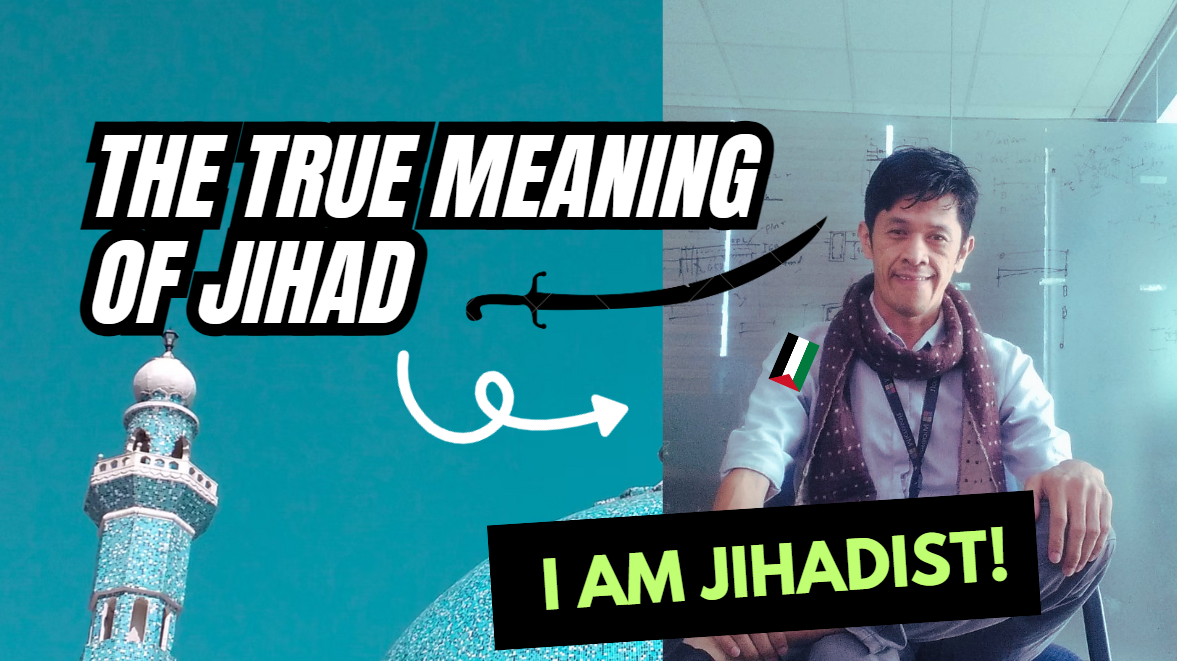
Understanding the True Meaning of Jihad: 5 Characteristics of Jihadist
The true meaning of Jihad is a term that has been both widely misunderstood and misrepresented in today’s world. Contrary to popular belief, Jihad does not mean “holy war.” Instead, it refers to a personal and communal struggle in the way of righteousness. In Islam, Jihad encompasses various aspects of life, from spiritual self-improvement to standing against oppression and injustice. The Understanding of the True Meaning of Jihad This aims to clarify the true meaning of Jihad, its types, and its role in Islamic teachings, using references from the Qur’an and Islamic tradition. 5 Characters of Jihadists The concept of Jihad in Islam can be categorized into several distinct forms: Struggle of the Self (Jihad al-Nafs) This is the internal struggle every believer faces against their own desires, temptations, and weaknesses. It is the most important form of Jihad and represents the effort to be a better Muslim, improve one’s character, and follow the path of righteousness. Qur’an Says: وَالَّذِينَ جَاهَدُوا فِينَا لَنَهْدِيَنَّهُمْ سُبُلَنَا ۚ وَإِنَّ اللَّهَ لَمَعَ الْمُحْسِنِينَ (Translation: “And those who strive for Us—We will surely guide them to Our ways. And indeed, Allah is with the doers of good.” —Surah Al-Ankabut, 29:69) This verse emphasizes that those who engage in Jihad (struggle) in the path of Allah will be rewarded with guidance. It highlights that Jihad is not limited to physical conflict but includes striving for moral excellence and spiritual growth. Struggle of the Tongue (Jihad al-Lisan) This refers to speaking the truth, defending justice, and spreading the message of Islam with wisdom and kindness. It is about using one’s voice to advocate for righteousness and resist falsehood. Qur’an Says: وَقُولُواْ لِلنَّاسِ حُسْنًا(Translation: “And speak to people kindly.” —Surah Al-Baqarah, 2:83) This verse encourages believers to use their words for good, underscoring the importance of speech in Islam and its role in Jihad through peaceful means. Struggle of the Pen (Jihad al-Qalam) The intellectual form of Jihad, this involves spreading knowledge, refuting misconceptions, and promoting truth through writing, education, and scholarship. The pen is a powerful tool in advancing the cause of justice and knowledge in society. Qur’an Says: ن وَالْقَلَمِ وَمَا يَسْطُرُونَ(Translation: “By the pen and what they inscribe.” —Surah Al-Qalam, 68:1) This verse highlights the significance of the written word in Islam, encouraging the pursuit of knowledge and the use of intellect to achieve good and resist evil. Struggle of Wealth (Jihad al-Mal) This involves the charitable use of wealth to support those in need and contribute to the welfare of the Muslim community. It is an essential form of Jihad that encourages Muslims to be generous and fight poverty, injustice, and suffering. Qur’an Says: لَن تَنَالُوا الْبِرَّ حَتَّىٰ تُنفِقُوا مِمَّا تُحِبُّونَ(Translation: “You will never attain righteousness until you spend [in the way of Allah] from that which you love.” —Surah Al-Imran, 3:92) This verse encourages Muslims to give charity from what they value most, reminding them that financial generosity is a key aspect of Jihad in supporting the less fortunate. Struggle of the Sword (Jihad al-Sayf) This refers to the physical defense of the Muslim community when under attack. However, it is strictly regulated by Islamic law and can only be carried out under specific conditions such as self-defense, protection of the oppressed, and against tyranny. Qur’an Says: وَقَاتِلُوا فِي سَبِيلِ اللَّـهِ الَّذِينَ يُقَاتِلُونَكُمْ وَلَا تَعْتَدُوا ۚ إِنَّ اللَّـهَ لَا يُحِبُّ الْمُعْتَدِينَ(Translation: “Fight in the way of Allah those who fight you but do not transgress. Indeed. Allah does not like transgressors.” —Surah Al-Baqarah, 2:190) This verse makes it clear that even in times of physical Jihad, Muslims must observe strict ethical guidelines. Fighting is permitted only in defense, and aggression or excess is strictly prohibited. Goals of Jihad The ultimate goals of Jihad are deeply tied to the broader objectives of Islam: to establish justice, promote peace, and guide individuals and societies toward righteousness. Here are some key goals of Jihad: Before Wrapping Up Did You Know? Jihad is Also a Name Did you know that Jihad is not only a concept in Islam but also a common name? In many Muslim cultures, the name Jihad is given to people, symbolizing a commitment to personal and communal struggles for righteousness. One such person is Jihad Saaduddin known as “Jii”, the founder of MuslimSEO.com, a digital marketing platform specializing in helping Muslim businesses, especially in the riches of Bangsamoro Autonomous Region in Muslim Mindanao (BARMM). The Struggles of Jihad Saaduddin Jihad Saaduddin has faced unique challenges throughout his career due to the misconceptions surrounding his name. Working in areas where extremist groups have exploited the concept of Jihad for violent purposes, such as parts of Mindanao in the Philippines, he often finds himself needing to explain the true meaning of his name and the values it represents. In his career as a digital industry in SEO expert, Jihad has used his name as a reminder of his own Jihad al-Nafs — his personal journey of self-improvement, perseverance, and dedication to his work and community. However, as jihadist movements escalated in the regions where he worked, it became an even more delicate struggle to navigate professional spaces. Jihadist Escalation and the Name’s Stigma In regions like Mindanao, where groups such as Abu Sayyaf and other militant organizations have caused instability, the term Jihad became synonymous with violence in the eyes of the global community. This added a layer of complexity to Jihad Saaduddin’s career, as the negative connotations of the term impacted perceptions and professional interactions. Despite this, Jihad continues to pursue his work, providing businesses with digital marketing solutions and SEO strategies that help them thrive. His journey, much like the broader meaning of Jihad, is one of perseverance, dedication, and overcoming obstacles for a greater cause. By building MuslimSEO.com, he has created a platform aimed at uniting Muslim businesses called Saaduddin Portal, promoting Islamic finance, and sharing life stories and struggles—elements that represent the true essence of Jihad. Final Wrap While the world may associate Jihad with conflict due to its misrepresentation,