
The dislike some Salafis hold for Shia Muslims, particularly those in Iran, is rooted in both deep theological differences and complex geopolitical rivalries. At its core, Salafism, a branch of Sunni Islam, strictly adheres to the practices of early Muslims. They see Shia beliefs, like the reverence for certain Imams and specific religious practices, as deviations from what they consider to be pure Islam. Furthermore, Salafis often accuse Shias of disrespecting companions of the Prophet Muhammad, which is a major point of contention. This religious divide is amplified by a significant political struggle for influence in the Middle East, primarily between Shia-led Iran and Salafi-aligned Saudi Arabia. The 1979 Iranian Revolution, which established a Shia Islamic state, intensified these tensions, as Iran sought to expand its revolutionary ideals. This has led to proxy conflicts across the region where religious identity is often used to rally support, fueling animosity and making the religious differences even more pronounced. Stay informed with muslimseo.com. You can also follow their updates on Facebook, TikTok, and YouTube.
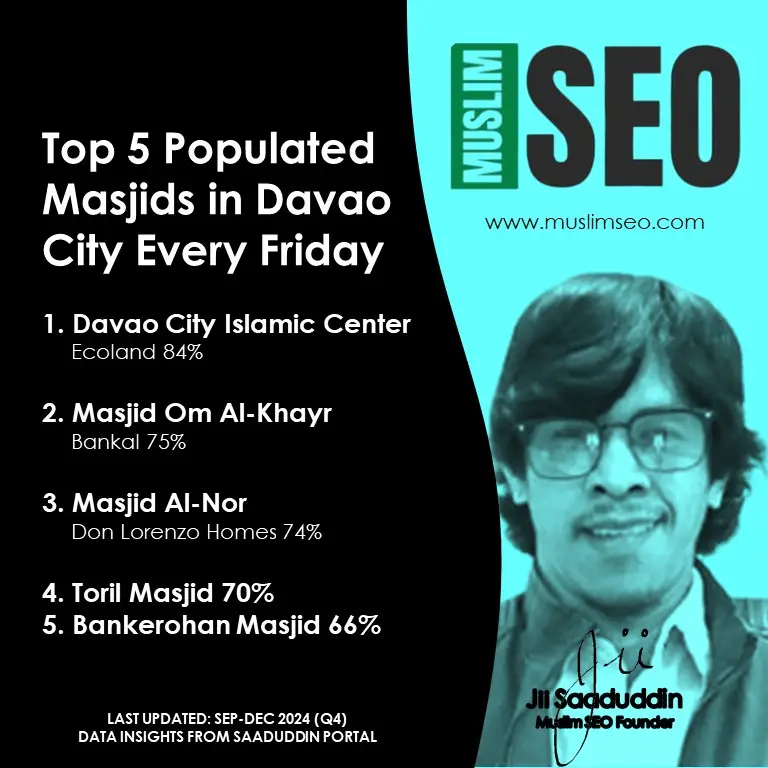
Top 5 Most Populated Masjids in Davao City Every Friday 2025
@jiisaaduddin Most populated Masjids in Davao City! This is a home to many beautiful masjids that serve as places of worship and community gathering for Muslims. Every Friday, these masjids come alive with worshippers attending Jumu’ah prayers. Based on attendance data from Q4 2024. Top 5 Most Populated Masjids in Davao City Every Friday 2025 1. Davao City Islamic Center – Ecoland (84%) Located in the bustling area of Ecoland, the Davao City Islamic Center leads in attendance, with 84% capacity filled every Friday. It’s a central hub for both local and visiting Muslims. 2. Masjid Om Al-Khayr – Bankal (75%) This masjid in Bankal is known for its serene environment and strong community presence, drawing 75% capacity on Fridays. 3. Masjid Al-Nor – Don Lorenzo Homes (74%) Situated in Don Lorenzo Homes, Masjid Al-Nor is a favorite for residents nearby, with 74% capacity filled each Friday. 4. Toril Masjid (70%) In Toril, this masjid caters to the growing Muslim community in the area, reaching 70% capacity during Jumu’ah prayers. 5. Bankerohan Masjid (66%) Bankerohan Masjid rounds out the list, accommodating 66% of its capacity on Fridays, serving as a spiritual haven for those in the heart of the city. ConclusionThese masjids not only serve as places of prayer but also foster a sense of belonging among the Muslim community in Davao City. Whether you’re a resident or just visiting, these masjids offer a welcoming atmosphere for worship and reflection. Last Updated: September-December 2024 (Q4) If you have more masjid suggestions or updates, feel free to share in the comments!

Most Read Quranic Chapters and Why These 9 Surahs So Popular?
@jiisaaduddin Why these 9 Surahs so popular in the Quran?, the holy book of Islam, is a rich tapestry of verses that offer guidance, wisdom, and spiritual insight. Among its 114 chapters (Surahs), certain ones are particularly revered and frequently recited. Why These 9 Surahs So Popular? Here, we explore nine of these Surahs, their English translations, and interpretations of their purposes. 1. Surah Al-Fatihah (1:1-7) Known as the “Opening,” Surah Al-Fatihah is recited in every unit of prayer (Salah). It encapsulates the essence of worship, seeking guidance, mercy, and support from Allah. Its recitation fosters a deep connection between the believer and their Creator. بِسْمِ اللَّهِ الرَّحْمَٰنِ الرَّحِيمِالْحَمْدُ لِلَّهِ رَبِّ الْعَالَمِينَالرَّحْمَٰنِ الرَّحِيمِمَالِكِ يَوْمِ الدِّينِإِيَّاكَ نَعْبُدُ وَإِيَّاكَ نَسْتَعِينُاهْدِنَا الصِّرَاطَ الْمُسْتَقِيمَصِرَاطَ الَّذِينَ أَنْعَمْتَ عَلَيْهِمْ غَيْرِ الْمَغْضُوبِ عَلَيْهِمْ وَلَا الضَّالِّينَ Translation:“In the name of Allah, the Most Gracious, the Most Merciful.Praise be to Allah, the Lord of all the worlds.The Most Gracious, the Most Merciful.Master of the Day of Judgment.You alone we worship, and You alone we ask for help.Guide us on the Straight Path,the path of those who have received Your grace; not the path of those who have brought down wrath upon themselves, nor of those who have gone astray.” 2. Surah Al-Baqarah (Chapter 2) Surah Al-Baqarah, the longest Surah, covers various themes, including guidance for personal development, community laws, and moral conduct. It teaches resilience and faith, assuring believers that Allah does not place burdens beyond their capabilities. لَا يُكَلِّفُ اللَّهُ نَفْسًا إِلَّا وُسْعَهَا Translation (Part of Ayat 286):“Allah does not burden a soul beyond that it can bear…” 3. Surah Yasin (36:1-83) Often referred to as the “heart of the Quran,” Surah Yasin emphasizes the importance of faith and the message of monotheism. It comforts believers about life after death, serving as a reminder of Allah’s mercy and the transient nature of worldly life. سَلَامٌ قَوْلًا مِنْ رَبٍّ رَحِيمٍ Translation (Part of 36:58):“Peace! A word from a Merciful Lord.” 4. Surah Al-Mulk (67:1-30) Surah Al-Mulk underscores the greatness of creation and Allah’s authority over it. It encourages reflection on the universe, promoting gratitude for the life provided. It is often recited for protection from the trials of the grave. هُوَ الَّذِي جَعَلَ لَكُمُ الْأَرْضَ ذَلُولًا فَامْشُوا فِي مَنَاكِبِهَا وَكُلُوا مِنْ رِزْقِهِ ۖ وَإِلَيْهِ النُّشُورُ Translation (Part of 67:15):“It is He who made the earth subservient to you, so traverse in its pathways and partake of the sustenance which He has provided. And to Him will you be resurrected.” 5. Surah Al-Ikhlas (112:1-4) Surah Al-Ikhlas is a declaration of the oneness of Allah (Tawheed). Its simplicity and profound message make it a cornerstone of Islamic belief. Reciting it is believed to equal the reward of reciting a third of the Quran. قُلْ هُوَ اللَّهُ أَحَدٌاللَّهُ الصَّمَدُلَمْ يَلِدْ وَلَمْ يُولَدْوَلَمْ يَكُنْ لَهُ كُفُوًا أَحَدٌ Translation:“Say, ‘He is Allah, [who is] One,Allah, the Eternal Refuge.He neither begets nor is born,Nor is there to Him any equivalent.’” 6. Surah Al-Kahf (18:1-110) Surah Al-Kahf narrates the stories of trials faced by believers, such as the People of the Cave. It emphasizes patience, faith, and reliance on Allah. It is particularly recited on Fridays for spiritual protection and guidance. إِذْ أَوَى الْفِتْيَةُ إِلَى الْكَهْفِ فَقَالُوا رَبَّنَا آتِنَا مِنْ لَدُنْكَ رَحْمَةً وَهَيِّئْ لَنَا مِنْ أَمْرِنَا رَشَدًا Translation (Part of 18:10):“When the youths sought refuge in the cave and said, ‘Our Lord, grant us from Yourself mercy and prepare for us from our affair right guidance.’” 7. Surah Taha (20:1-135) Surah Taha recounts the story of Prophet Moses and his mission. It conveys themes of perseverance and trust in Allah’s plan. The Surah reassures believers facing difficulties, encouraging them to seek help from Allah. قَالَ رَبِّ اشْرَحْ لِي صَدْرِيوَيَسِّرْ لِي أَمْرِي Translation (Part of 20:25-26):[Moses] said, “My Lord, expand for me my breast and ease for me my task.” 9. Surah Ad-Duhaa (93:1-11) Surah Ad-Duhaa offers comfort and assurance to the Prophet Muhammad during challenging times. It highlights Allah’s continuous support and mercy, reminding believers of hope and the importance of gratitude for His blessings. وَالضُّحَىٰوَاللَّيْلِ إِذَا سَجَىٰمَا وَدَّعَكَ رَبُّكَ وَمَا قَلَىٰ Translation:“By the morning brightness,And [by] the night when it covers with darkness,Your Lord has not taken leave of you, [O Muhammad], nor has He detested [you].” The Most Popular Verse in the Quran Ayatul Kursi (Surah Al-Baqarah, 2:255) Ayatul Kursi is often recited for protection and blessings. It emphasizes the greatness and sovereignty of Allah, serving as a reminder of His omnipotence and knowledge. Many believe reciting it can protect them from evil and grant them peace of mind. اللَّهُ لَا إِلَٰهَ إِلَّا هُوَ الْحَيُّ الْقَيُّومُ ۚ لَا تَأْخُذُهُ سِنَةٌ وَلَا نَوْمٌ ۚ لَهُ مَا فِي السَّمَاوَاتِ وَمَا فِي الْأَرْضِ ۗ مَنْ ذَا الَّذِي يَشْفَعُ عِنْدَهُ إِلَّا بِإِذْنِهِ ۚ يَعْلَمُ مَا بَيْنَ أَيْدِيهِمْ وَمَا خَلْفَهُمْ وَلَا يُحِيطُونَ بِشَيْءٍ مِنْ عِلْمِهِ إِلَّا بِمَا شَاءَ ۚ وَسِعَ كُرْسِيُّهُ السَّمَاوَاتِ وَالْأَرْضَ وَلَا يَئُودُهُ حِفْظُهُمَا ۚ وَهُوَ الْعَلِيُّ الْعَظِيمُ Translation:“Allah! There is no deity except Him, the Ever-Living, the Sustainer of existence. Neither drowsiness overtakes Him nor sleep. To Him belongs whatever is in the heavens and whatever is on the earth. Who is it that can intercede with Him except by His permission? He knows what is before them and what will be after them, and they encompass not a thing of His knowledge except for what He wills. His Kursi extends over the heavens and the earth, and their preservation tires Him not. And He is the Most High, the Most Great.” Summary These nine Surahs are not only popular for their profound meanings and spiritual benefits but also serve as a source of comfort and guidance for Muslims worldwide. Each recitation offers a connection to the divine, reinforcing faith and encouraging reflection on life’s greater purpose. Whether for protection, guidance, or spiritual fulfillment, these Surahs hold a special place in the hearts of many.
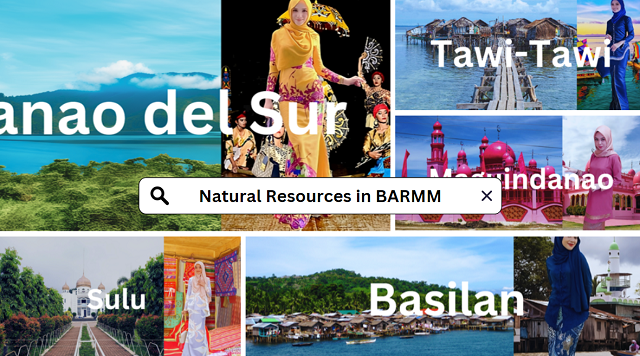
10 Rich Natural Resources in BARMM that Promise a Bright Future
Natural Resources in BARMM – The Bangsamoro Autonomous Region in Muslim Mindanao (BARMM) is blessed with a wealth of natural resources that hold immense potential for economic development. From fertile agricultural lands to rich marine environments and valuable mineral deposits, the region is well-positioned to harness these resources for the betterment of its people. What are their contributions to the region’s economy? The Natural Resources in BARMM Agricultural is the Backbone of BARMM’s Economy Agriculture is one of the primary livelihoods in BARMM, with vast tracts of fertile land supporting a variety of crops. Among the most significant agricultural resources are: Tapping Marine Resources into the Wealth of the Sea BARMM’s vast coastal areas and proximity to rich fishing grounds make marine resources a vital part of the region’s economy. Key marine resources include: Unlocking Mineral Resources is the Wealth Beneath the Earth BARMM is rich in mineral resources, offering potential for mining and industrial development. Some of the key mineral resources found in the region include: Forestry is the Sustainable Use of Natural Forests BARMM’s forests provide valuable timber and non-timber resources that are essential for local industries and crafts. Important forestry resources include: Energy to Powering the Future of BARMM The region also has significant energy resources that can be harnessed for sustainable development: Harnessing BARMM’s Natural Wealth for Sustainable Development BARMM’s rich natural resources provide a solid foundation for the region’s economic development. Its abundant agricultural products, such as coconut, rubber, and abaca, are critical inputs for many industries, including the fast-moving consumer goods (FMCG) sector. Companies like Unilever Philippines, Nestlé Philippines, and Procter & Gamble Philippines rely on these raw materials for the production of goods that reach millions of Filipino households every day. By sustainably managing and utilizing these resources, BARMM can create opportunities for local farmers and businesses to become key suppliers to large FMCG companies, boosting regional prosperity. This collaboration between the region’s resources and the FMCG sector not only drives local economic growth but also strengthens the supply chain across the Philippines[3]. As the region continues to grow and develop, the effective management of its natural resources will be key to ensuring a prosperous and sustainable future for the people of BARMM. With its strategic resources, BARMM can play a vital role in supporting the FMCG industry while promoting sustainable practices. References External links
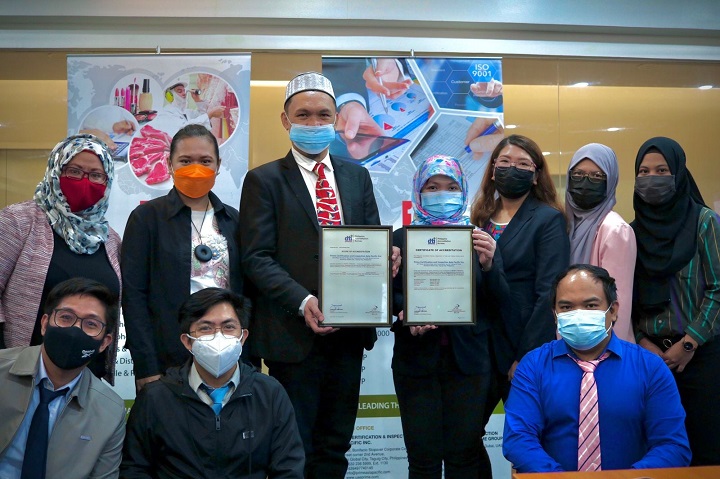
Is Your Business Halal Certificated? 5 Halal Certifiers in the Philippines
The halal certifiers in the Philippines is regulated under the Halal Act of 2016 (Republic Act 10817), which mandates the promotion of halal-certified goods for export and the regulation of halal certification in the country. The law created the Halal Export Development and Promotion Board, which includes various government agencies such as the Department of Trade and Industry (DTI), the National Commission on Muslim Filipinos (NCMF), and other departments to oversee its implementation. (See also Halal Business 101) The Philippine Accreditation Bureau (PAB), under the DTI, is responsible for accrediting halal-certifying bodies, inspection entities, and laboratories. The Department of Science and Technology (DOST) also supports the halal certification process through its network of OneLab laboratories that conduct halal testing. As of 2020, here are the halal-certification bodies (HCBs) are recognized in the Philippines! Top 5 Halal Certifiers in the Philippines These organizations play a critical role in certifying that products and services comply with halal standards, ensuring they meet the requirements of Islamic law. The National Commission on Muslim Filipinos (NCMF), established by Republic Act 9997 of 2010, also plays a vital role in accrediting halal certifiers and supporting the development of the halal industry across the country. The NCMF acts as the governing body for halal certification in the Philippines, with the goal of fostering the growth of the industry and supporting Muslim Filipino communities. Read also: DTI Pushing Halal Philippines industry in region 2 Given the national efforts led by various stakeholders, the Philippines is continually enhancing its halal certification framework, paving the way for greater opportunities in both domestic and international markets.
5 Best SEO Efforts for Growing the Halal Market in Mindanao
The Halal market in Mindanao, a region rich in cultural heritage and a significant Muslim population, is poised for tremendous growth. However, to tap into this potential fully, businesses within the Halal sector must embrace modern marketing strategies, particularly Search Engine Optimization (SEO). SEO can play a crucial role in helping the Halal industry in Mindanao not only reach a wider audience but also build trust, enhance visibility, and drive growth. Check out this also “How Halal Search Engines Can Guide Your Online Exploration?“ A Growing Industry to Boost The Halal Market in Mindanao Mindanao is home to a large Muslim population, making it a natural hub for the Halal industry. From food and beverages to cosmetics and pharmaceuticals, the demand for Halal-certified products is on the rise “Top 5 Halal Certifiers in the Philippines“. However, while there is a growing local demand, the potential to export Halal products to international markets, particularly in Southeast Asia and the Middle East, remains largely untapped. Why SEO is Essential for the Halal Industry? Top 5 SEO Efforts for Growing the Halal Market in Mindanao To effectively leverage SEO, Muslim businesses in Mindanao should consider the following strategies: Consumer Query Research Identify and use relevant keywords that potential customers are searching for, such as “Halal food Mindanao,” “Halal cosmetics Philippines,”, “Halal-certified products.”, in a long-tail keyword like “What Non-Food Products Need to Certify?” or “Halal Certification In Davao City“. Local SEO Optimize Google My Business listings, create location-based content, and gather customer reviews to improve visibility in local search results. Content Marketing Create high-quality content that educates and informs customers about the importance of Halal certification, the process, and the benefits of Halal products. Mobile Device Optimization Ensure that websites are mobile-friendly, as a significant portion of online searches are conducted on mobile devices. Check out: The Role of Mobile Devices. Link Building Build a network of quality backlinks from reputable websites to improve the site’s authority and ranking. Conclusion SEO offers a powerful tool for the Muslim businesses to expand its reach and grow its customer base. By adopting SEO strategies, Halal markets can enhance their online presence, build trust with customers, and compete in both local and international markets. In a region with such rich potential, SEO could be the key to unlocking new opportunities and driving the Halal industry forward.
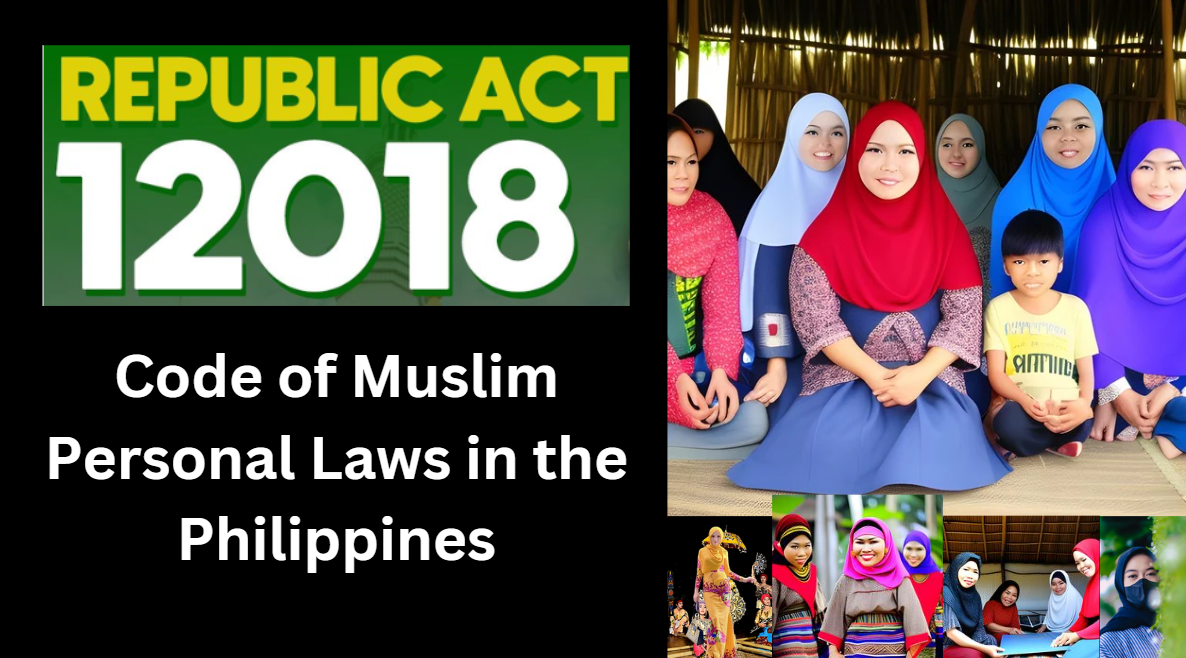
RA 12018 Now Updating the Code of Muslim Personal Laws in the Philippines
The Code of Muslim Personal Laws (CMPL), established in 1977, governs personal and family matters for Muslims in the Philippines, such as marriage, divorce, and inheritance, based on Islamic principles. However, with changing times, there’s a need to modernize these laws to better serve the Muslim community such as Maranao people, Maguindanao, Tausug, Yakan, Sama and other Muslim tribes in the Philippines including the revert Muslims. Senator Robin Padilla has proposed Republic Act No. 12018 (RA 12018) to update and strengthen the Sharia Judicial Districts, CMPL signed. The Code of Muslim Personal Laws in the Philippines Here’s what the act aims to do: 1. Protect Women’s Rights RA 12018 focuses on improving the rights of Muslim women, especially in divorce, inheritance, and child custody cases. 2. Standardize Practices The act seeks to ensure that procedures under the CMPL, like marriage and divorce, are consistent and fair across the board. 3. Strengthen Sharia Courts The proposal includes increasing the number of Sharia courts and improving the training of judges to better handle cases related to Muslim personal laws. 4. Align with Human Rights RA 12018 aims to harmonize Islamic law with international human rights standards, particularly concerning gender equality and children’s rights. Senator Padilla’s initiative is a step toward ensuring that the legal system for Filipino Muslims remains relevant and just, respecting their religious beliefs while protecting their rights. If passed, RA 12018 will help modernize the CMPL, making it more responsive to the needs of today’s Muslim community in the Philippines.

The Maranao People
@jiisaaduddin Lanao del Sur, Philippines—In the heart of Bangsamoro Autonomous Region in Muslim Mindanao (BARMM), the Maranao people continue to uphold a rich tapestry of culture and tradition, despite facing significant modern challenges. With a population exceeding 2 million, the Maranao community remains a vital part of the Philippines’ cultural landscape, particularly in the provinces surrounding the serene Lake Lanao. Preserving Language Amidst Change The Maranao communication, integral to the identity of this ethnic group, is spoken widely in Lanao del Sur and Lanao del Norte. However, as the world becomes more interconnected, efforts to preserve this linguistic heritage have intensified. Community leaders stress the importance of passing the language on to younger generations. “Maranao language as our mother tonque contributes to better cognitive skills for bilingual individuals. It helps preserve our cultural identity and heritage. ” says Saaduddin T. Ahmad Kamel, Sr. Interpreter and Translator in multi language (Maranao – Arabic – English – Tagalog). In everyday conversations, the Maranao language continues to thrive. For example: English: “Good morning! How are you?” translates to “Mapiya kapipita! Kumusta ka?” In Arabic “صباح الخير! كيف حالك؟” Sabah al-khayr! Kayfa halak? (for addressing a male) Sabah al-khayr! Kayfa halik? (for addressing a female) A greeting that resonates with the melodic tones characteristic of the Maranao tongue. Educators like Mr. Saaduddin are working tirelessly to ensure that such phrases remain in common use, even as younger generations become more fluent in Filipino, English, and Arabic. A Legacy of Art and Architecture The Maranao are perhaps best known for their intricate craftsmanship and distinctive architectural styles. The Malong, a versatile and symbolic piece of clothing, is a staple in Maranao attire. Each Malong is handwoven, featuring vibrant colors and patterns that often reflect the wearer’s social status or the occasion being celebrated. Equally iconic is the Torogan, the traditional royal house of Maranao nobility. These structures are more than just homes; they are cultural symbols, adorned with the Panolong—a wing-like wooden carving that represents the power and prestige of the family that resides within. However, the Torogan, like much of Maranao culture, faces threats from modernization and the pressures of urban development. Recently, crochet also has gained popularity among Maranao artisans, blending traditional designs with modern techniques. Maranao women have embraced crochet not only as a form of artistic expression but also as a means of livelihood. Their creations often feature patterns inspired by Maranao motifs, making each piece a unique blend of cultural heritage and contemporary craft. “Crochet preserves cultural identities by passing down traditional patterns and techniques, keeping heritage alive through each handmade piece. As it evolves, it blends old and new, ensuring cultural traditions stay relevant and vibrant.“ More Mai Stiches‘ Channel for more Crochet tutorials Resilience in the Face of Adversity The Maranao people’s resilience was put to the test during the 2017 Marawi Siege, a conflict that left the city—the heart of Maranao culture—devastated. The siege displaced thousands, destroyed homes, and disrupted the lives of countless Maranao families. Five years later, the scars of the siege are still visible, but so too is the determination of the Maranao people to rebuild. Reconstruction efforts are ongoing, with a focus on restoring not just physical structures, but also the cultural and social fabric of the community. Economic Contributions and Modern Challenges Found In the economic survey at MSEOC, the Maranao have made significant strides, particularly in the Halal business. Halal-certified products from BARMM are gaining recognition both locally and internationally, providing a vital source of income for the community. However, entrepreneurs face challenges, including access to broader markets and competition from larger, more established brands even in the new digital ear of SEO expert or search engine marketing, “There is a strong demand for Halal products, not just from Muslims but from anyone looking for quality and trust,” says Ustadh Luqman Bin Usman Imam, MA, SCL, a Maranao businessman involved in the Halal industry. He is the President of Philippine Ulama Congress Organization Inc. (PUCOI)[philhalal.com] “Our products are a reflection of our culture and our faith. But to thrive, we need more support and better infrastructure.” Cultural Preservation To A Collective Effort In response to these challenges, there is a growing movement among the Maranao to preserve their cultural heritage. This includes everything from language education programs to initiatives aimed at documenting and promoting traditional crafts. There are also efforts to integrate Maranao history and cultural studies into the local school curriculum, ensuring that future generations remain connected to their roots. “Community leaders are also advocating for the preservation of Maranao customs and traditions in the face of modernization. “Our culture is our strength,” says Abdullah Dimaporo[info], a cultural activist in Lanao del Sur. “We must protect it, not just for ourselves, but for the generations to come.” “Indeed, with hardship comes ease.” (Qur’an 94:6) Looking Forward As the Maranao people navigate the challenges of the 21st century[info], their commitment to preserving their culture remains steadfast. While modernization and globalization present undeniable challenges, they also offer opportunities for the Maranao to share their rich heritage with the world. The resilience and cultural pride of the Maranao people serve as a powerful reminder of the importance of preserving cultural identity in an ever-changing world. As they continue to rebuild and adapt, the Maranao people remain a testament to the enduring strength of their traditions, May Allah guide us all towards understanding, respect, and unity. Ameen.
Halal for Business 101 — A Path to Ethical Practices and Expanding Market Reach
@jiisaaduddin Halal for businesses are increasingly recognizing the value of adhering to ethical practices and cultural sensitivities. One such practice gaining prominence is Halal compliance. Halal, an Arabic term meaning “permissible” or “lawful,” primarily relates to dietary laws in Islam but extends to various aspects of business operations. For businesses aiming to tap into the Muslim market or enhance their ethical credentials, understanding and implementing Halal practices can open new avenues for growth and foster a positive brand image. Check out the latest update on top 5 halal certifiers in the Philippines. In the realm of digital exploration, this concept translates into practices such as “Halalgoogling.” Just as businesses are aligning their operations with Halal standards, individuals are also seeking ways to ensure their online activities reflect their faith. Halalgoogling involves searching for and engaging with online content in a manner that is consistent with Islamic values. This is where Halal search engines come into play. These specialized tools help filter out inappropriate content, ensuring that your online searches and interactions remain in line with Islamic principles. Join Saaduddin Portal to expand your reach and connect with a broader audience interested in ethical and Halal-compliant practices. Understanding Halal for Business Halal is a set of guidelines that dictate what is permissible for Muslims, encompassing dietary laws, business conduct, and ethical practices. The core principles of Halal are derived from the Quran and Hadith (sayings of the Prophet Muhammad). While Halal is most commonly associated with food and drink, it also encompasses financial transactions, business dealings, and even lifestyle choices. 3 Key Areas of Halal Compliance Food and Beverage Products must not contain any prohibited substances, such as pork or alcohol. Additionally, the slaughtering process for meat must meet specific Islamic guidelines. Financial Transactions Halal finance avoids interest (Riba) and investments in businesses that engage in unethical practices like gambling or tobacco. Business Practices Ethical conduct, honesty, and transparency in transactions are essential. Halal business practices emphasize fairness and respect in dealings with clients, suppliers, and employees. 5 Benefits of Adopting Halal Practices Access to a Growing Market The global Muslim population is estimated to exceed 1.8 billion, representing a substantial consumer base. Adhering to Halal practices can attract this market segment and increase customer loyalty. International Opportunities Halal certification can facilitate entry into markets in the Middle East, Southeast Asia, and other regions with significant Muslim populations. Ethical Branding Halal compliance signals to consumers that a business adheres to ethical and responsible practices, which can enhance brand reputation and trust. Diverse Customer Base Offering Halal products or services demonstrates inclusivity and respect for diverse cultural and religious practices. Compliance with Local Regulations In many countries, Halal certification is a regulatory requirement for food products and services. Ensuring compliance helps avoid legal issues and potential fines. 5 Implementing Halal Practices in Business Certification Bodies Engage with recognized Halal certification organizations that can assess and verify compliance with Halal standards. Certification involves rigorous audits and inspections to ensure adherence to Islamic guidelines. Educate and Train Staff Provide training for employees to understand Halal principles and their application in daily operations. This ensures that all staff members are aligned with the company’s ethical standards. Product Development Reformulate products or adjust processes to meet Halal requirements. For food businesses, this may involve sourcing Halal-certified ingredients and ensuring proper handling and processing. Financial Practices Implement Shariah-compliant financial practices, avoiding interest-based transactions and investing in ethical ventures. Transparency Clearly communicate Halal status and practices to customers through labeling, marketing materials, and website content. This transparency builds trust and credibility with your audience. Embracing Halal practices in business is not just about meeting religious requirements; it’s about aligning with ethical standards and expanding market opportunities. By implementing Halal compliance, businesses can tap into a growing consumer base, enhance their brand image, and ensure they meet regulatory standards. As global markets become increasingly diverse, understanding and adopting Halal practices can position businesses for success in a competitive landscape, appealing to both Muslim and non-Muslim consumers who value ethical and responsible practices.