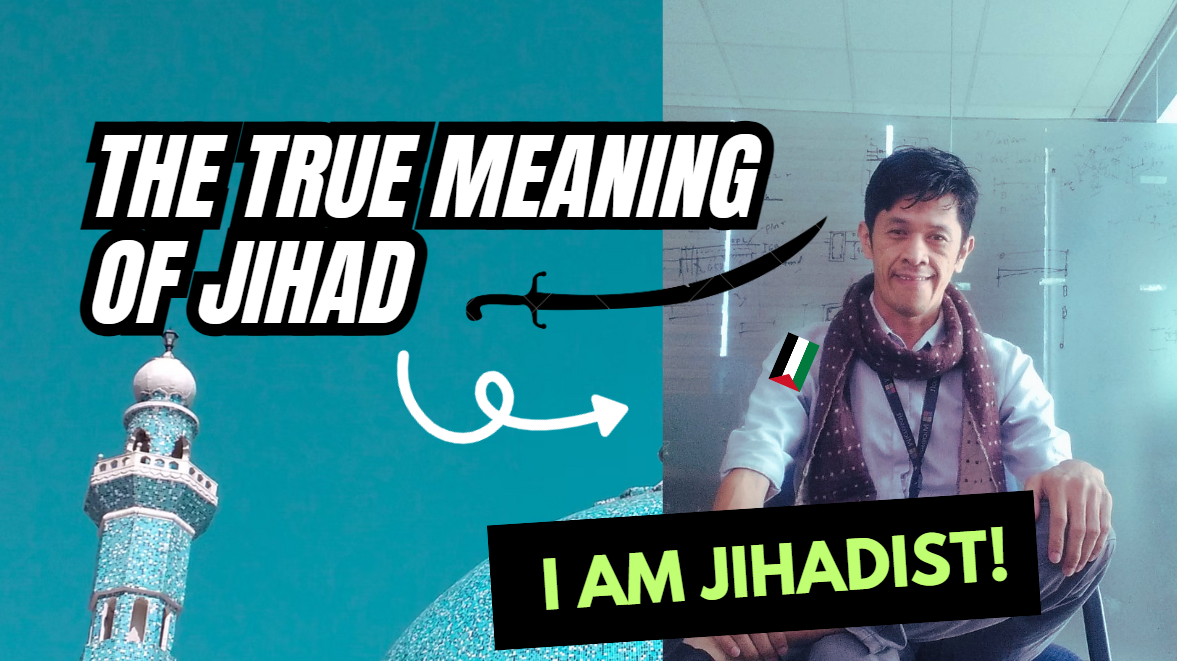
The true meaning of Jihad is a term that has been both widely misunderstood and misrepresented in today’s world. Contrary to popular belief, Jihad does not mean “holy war.” Instead, it refers to a personal and communal struggle in the way of righteousness. In Islam, Jihad encompasses various aspects of life, from spiritual self-improvement to standing against oppression and injustice. The Understanding of the True Meaning of Jihad This aims to clarify the true meaning of Jihad, its types, and its role in Islamic teachings, using references from the Qur’an and Islamic tradition. 5 Characters of Jihadists The concept of Jihad in Islam can be categorized into several distinct forms: Struggle of the Self (Jihad al-Nafs) This is the internal struggle every believer faces against their own desires, temptations, and weaknesses. It is the most important form of Jihad and represents the effort to be a better Muslim, improve one’s character, and follow the path of righteousness. Qur’an Says: وَالَّذِينَ جَاهَدُوا فِينَا لَنَهْدِيَنَّهُمْ سُبُلَنَا ۚ وَإِنَّ اللَّهَ لَمَعَ الْمُحْسِنِينَ (Translation: “And those who strive for Us—We will surely guide them to Our ways. And indeed, Allah is with the doers of good.” —Surah Al-Ankabut, 29:69) This verse emphasizes that those who engage in Jihad (struggle) in the path of Allah will be rewarded with guidance. It highlights that Jihad is not limited to physical conflict but includes striving for moral excellence and spiritual growth. Struggle of the Tongue (Jihad al-Lisan) This refers to speaking the truth, defending justice, and spreading the message of Islam with wisdom and kindness. It is about using one’s voice to advocate for righteousness and resist falsehood. Qur’an Says: وَقُولُواْ لِلنَّاسِ حُسْنًا(Translation: “And speak to people kindly.” —Surah Al-Baqarah, 2:83) This verse encourages believers to use their words for good, underscoring the importance of speech in Islam and its role in Jihad through peaceful means. Struggle of the Pen (Jihad al-Qalam) The intellectual form of Jihad, this involves spreading knowledge, refuting misconceptions, and promoting truth through writing, education, and scholarship. The pen is a powerful tool in advancing the cause of justice and knowledge in society. Qur’an Says: ن وَالْقَلَمِ وَمَا يَسْطُرُونَ(Translation: “By the pen and what they inscribe.” —Surah Al-Qalam, 68:1) This verse highlights the significance of the written word in Islam, encouraging the pursuit of knowledge and the use of intellect to achieve good and resist evil. Struggle of Wealth (Jihad al-Mal) This involves the charitable use of wealth to support those in need and contribute to the welfare of the Muslim community. It is an essential form of Jihad that encourages Muslims to be generous and fight poverty, injustice, and suffering. Qur’an Says: لَن تَنَالُوا الْبِرَّ حَتَّىٰ تُنفِقُوا مِمَّا تُحِبُّونَ(Translation: “You will never attain righteousness until you spend [in the way of Allah] from that which you love.” —Surah Al-Imran, 3:92) This verse encourages Muslims to give charity from what they value most, reminding them that financial generosity is a key aspect of Jihad in supporting the less fortunate. Struggle of the Sword (Jihad al-Sayf) This refers to the physical defense of the Muslim community when under attack. However, it is strictly regulated by Islamic law and can only be carried out under specific conditions such as self-defense, protection of the oppressed, and against tyranny. Qur’an Says: وَقَاتِلُوا فِي سَبِيلِ اللَّـهِ الَّذِينَ يُقَاتِلُونَكُمْ وَلَا تَعْتَدُوا ۚ إِنَّ اللَّـهَ لَا يُحِبُّ الْمُعْتَدِينَ(Translation: “Fight in the way of Allah those who fight you but do not transgress. Indeed. Allah does not like transgressors.” —Surah Al-Baqarah, 2:190) This verse makes it clear that even in times of physical Jihad, Muslims must observe strict ethical guidelines. Fighting is permitted only in defense, and aggression or excess is strictly prohibited. Goals of Jihad The ultimate goals of Jihad are deeply tied to the broader objectives of Islam: to establish justice, promote peace, and guide individuals and societies toward righteousness. Here are some key goals of Jihad: Before Wrapping Up Did You Know? Jihad is Also a Name Did you know that Jihad is not only a concept in Islam but also a common name? In many Muslim cultures, the name Jihad is given to people, symbolizing a commitment to personal and communal struggles for righteousness. One such person is Jihad Saaduddin known as “Jii”, the founder of MuslimSEO.com, a digital marketing platform specializing in helping Muslim businesses, especially in the riches of Bangsamoro Autonomous Region in Muslim Mindanao (BARMM). The Struggles of Jihad Saaduddin Jihad Saaduddin has faced unique challenges throughout his career due to the misconceptions surrounding his name. Working in areas where extremist groups have exploited the concept of Jihad for violent purposes, such as parts of Mindanao in the Philippines, he often finds himself needing to explain the true meaning of his name and the values it represents. In his career as a digital industry in SEO expert, Jihad has used his name as a reminder of his own Jihad al-Nafs — his personal journey of self-improvement, perseverance, and dedication to his work and community. However, as jihadist movements escalated in the regions where he worked, it became an even more delicate struggle to navigate professional spaces. Jihadist Escalation and the Name’s Stigma In regions like Mindanao, where groups such as Abu Sayyaf and other militant organizations have caused instability, the term Jihad became synonymous with violence in the eyes of the global community. This added a layer of complexity to Jihad Saaduddin’s career, as the negative connotations of the term impacted perceptions and professional interactions. Despite this, Jihad continues to pursue his work, providing businesses with digital marketing solutions and SEO strategies that help them thrive. His journey, much like the broader meaning of Jihad, is one of perseverance, dedication, and overcoming obstacles for a greater cause. By building MuslimSEO.com, he has created a platform aimed at uniting Muslim businesses called Saaduddin Portal, promoting Islamic finance, and sharing life stories and struggles—elements that represent the true essence of Jihad. Final Wrap While the world may associate Jihad with conflict due to its misrepresentation,
Halal for Business 101 — A Path to Ethical Practices and Expanding Market Reach
@jiisaaduddin Halal for businesses are increasingly recognizing the value of adhering to ethical practices and cultural sensitivities. One such practice gaining prominence is Halal compliance. Halal, an Arabic term meaning “permissible” or “lawful,” primarily relates to dietary laws in Islam but extends to various aspects of business operations. For businesses aiming to tap into the Muslim market or enhance their ethical credentials, understanding and implementing Halal practices can open new avenues for growth and foster a positive brand image. Check out the latest update on top 5 halal certifiers in the Philippines. In the realm of digital exploration, this concept translates into practices such as “Halalgoogling.” Just as businesses are aligning their operations with Halal standards, individuals are also seeking ways to ensure their online activities reflect their faith. Halalgoogling involves searching for and engaging with online content in a manner that is consistent with Islamic values. This is where Halal search engines come into play. These specialized tools help filter out inappropriate content, ensuring that your online searches and interactions remain in line with Islamic principles. Join Saaduddin Portal to expand your reach and connect with a broader audience interested in ethical and Halal-compliant practices. Understanding Halal for Business Halal is a set of guidelines that dictate what is permissible for Muslims, encompassing dietary laws, business conduct, and ethical practices. The core principles of Halal are derived from the Quran and Hadith (sayings of the Prophet Muhammad). While Halal is most commonly associated with food and drink, it also encompasses financial transactions, business dealings, and even lifestyle choices. 3 Key Areas of Halal Compliance Food and Beverage Products must not contain any prohibited substances, such as pork or alcohol. Additionally, the slaughtering process for meat must meet specific Islamic guidelines. Financial Transactions Halal finance avoids interest (Riba) and investments in businesses that engage in unethical practices like gambling or tobacco. Business Practices Ethical conduct, honesty, and transparency in transactions are essential. Halal business practices emphasize fairness and respect in dealings with clients, suppliers, and employees. 5 Benefits of Adopting Halal Practices Access to a Growing Market The global Muslim population is estimated to exceed 1.8 billion, representing a substantial consumer base. Adhering to Halal practices can attract this market segment and increase customer loyalty. International Opportunities Halal certification can facilitate entry into markets in the Middle East, Southeast Asia, and other regions with significant Muslim populations. Ethical Branding Halal compliance signals to consumers that a business adheres to ethical and responsible practices, which can enhance brand reputation and trust. Diverse Customer Base Offering Halal products or services demonstrates inclusivity and respect for diverse cultural and religious practices. Compliance with Local Regulations In many countries, Halal certification is a regulatory requirement for food products and services. Ensuring compliance helps avoid legal issues and potential fines. 5 Implementing Halal Practices in Business Certification Bodies Engage with recognized Halal certification organizations that can assess and verify compliance with Halal standards. Certification involves rigorous audits and inspections to ensure adherence to Islamic guidelines. Educate and Train Staff Provide training for employees to understand Halal principles and their application in daily operations. This ensures that all staff members are aligned with the company’s ethical standards. Product Development Reformulate products or adjust processes to meet Halal requirements. For food businesses, this may involve sourcing Halal-certified ingredients and ensuring proper handling and processing. Financial Practices Implement Shariah-compliant financial practices, avoiding interest-based transactions and investing in ethical ventures. Transparency Clearly communicate Halal status and practices to customers through labeling, marketing materials, and website content. This transparency builds trust and credibility with your audience. Embracing Halal practices in business is not just about meeting religious requirements; it’s about aligning with ethical standards and expanding market opportunities. By implementing Halal compliance, businesses can tap into a growing consumer base, enhance their brand image, and ensure they meet regulatory standards. As global markets become increasingly diverse, understanding and adopting Halal practices can position businesses for success in a competitive landscape, appealing to both Muslim and non-Muslim consumers who value ethical and responsible practices.


