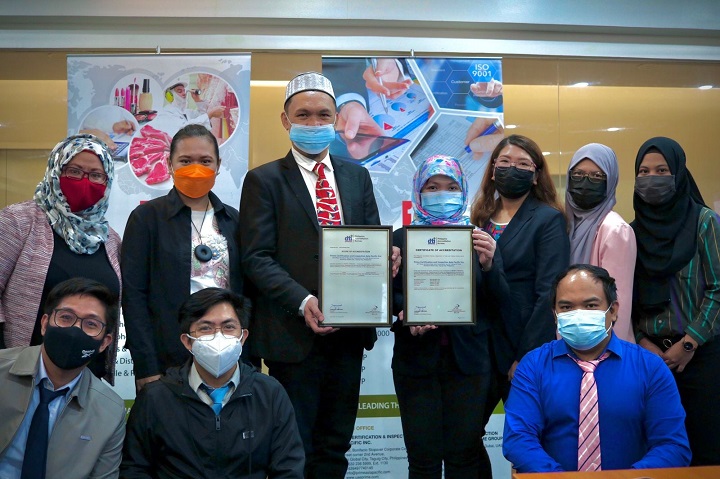
The halal certifiers in the Philippines is regulated under the Halal Act of 2016 (Republic Act 10817), which mandates the promotion of halal-certified goods for export and the regulation of halal certification in the country. The law created the Halal Export Development and Promotion Board, which includes various government agencies such as the Department of Trade and Industry (DTI), the National Commission on Muslim Filipinos (NCMF), and other departments to oversee its implementation. (See also Halal Business 101) The Philippine Accreditation Bureau (PAB), under the DTI, is responsible for accrediting halal-certifying bodies, inspection entities, and laboratories. The Department of Science and Technology (DOST) also supports the halal certification process through its network of OneLab laboratories that conduct halal testing. As of 2020, here are the halal-certification bodies (HCBs) are recognized in the Philippines! Top 5 Halal Certifiers in the Philippines These organizations play a critical role in certifying that products and services comply with halal standards, ensuring they meet the requirements of Islamic law. The National Commission on Muslim Filipinos (NCMF), established by Republic Act 9997 of 2010, also plays a vital role in accrediting halal certifiers and supporting the development of the halal industry across the country. The NCMF acts as the governing body for halal certification in the Philippines, with the goal of fostering the growth of the industry and supporting Muslim Filipino communities. Read also: DTI Pushing Halal Philippines industry in region 2 Given the national efforts led by various stakeholders, the Philippines is continually enhancing its halal certification framework, paving the way for greater opportunities in both domestic and international markets.
5 Best SEO Efforts for Growing the Halal Market in Mindanao
The Halal market in Mindanao, a region rich in cultural heritage and a significant Muslim population, is poised for tremendous growth. However, to tap into this potential fully, businesses within the Halal sector must embrace modern marketing strategies, particularly Search Engine Optimization (SEO). SEO can play a crucial role in helping the Halal industry in Mindanao not only reach a wider audience but also build trust, enhance visibility, and drive growth. Check out this also “How Halal Search Engines Can Guide Your Online Exploration?“ A Growing Industry to Boost The Halal Market in Mindanao Mindanao is home to a large Muslim population, making it a natural hub for the Halal industry. From food and beverages to cosmetics and pharmaceuticals, the demand for Halal-certified products is on the rise “Top 5 Halal Certifiers in the Philippines“. However, while there is a growing local demand, the potential to export Halal products to international markets, particularly in Southeast Asia and the Middle East, remains largely untapped. Why SEO is Essential for the Halal Industry? Top 5 SEO Efforts for Growing the Halal Market in Mindanao To effectively leverage SEO, Muslim businesses in Mindanao should consider the following strategies: Consumer Query Research Identify and use relevant keywords that potential customers are searching for, such as “Halal food Mindanao,” “Halal cosmetics Philippines,”, “Halal-certified products.”, in a long-tail keyword like “What Non-Food Products Need to Certify?” or “Halal Certification In Davao City“. Local SEO Optimize Google My Business listings, create location-based content, and gather customer reviews to improve visibility in local search results. Content Marketing Create high-quality content that educates and informs customers about the importance of Halal certification, the process, and the benefits of Halal products. Mobile Device Optimization Ensure that websites are mobile-friendly, as a significant portion of online searches are conducted on mobile devices. Check out: The Role of Mobile Devices. Link Building Build a network of quality backlinks from reputable websites to improve the site’s authority and ranking. Conclusion SEO offers a powerful tool for the Muslim businesses to expand its reach and grow its customer base. By adopting SEO strategies, Halal markets can enhance their online presence, build trust with customers, and compete in both local and international markets. In a region with such rich potential, SEO could be the key to unlocking new opportunities and driving the Halal industry forward.
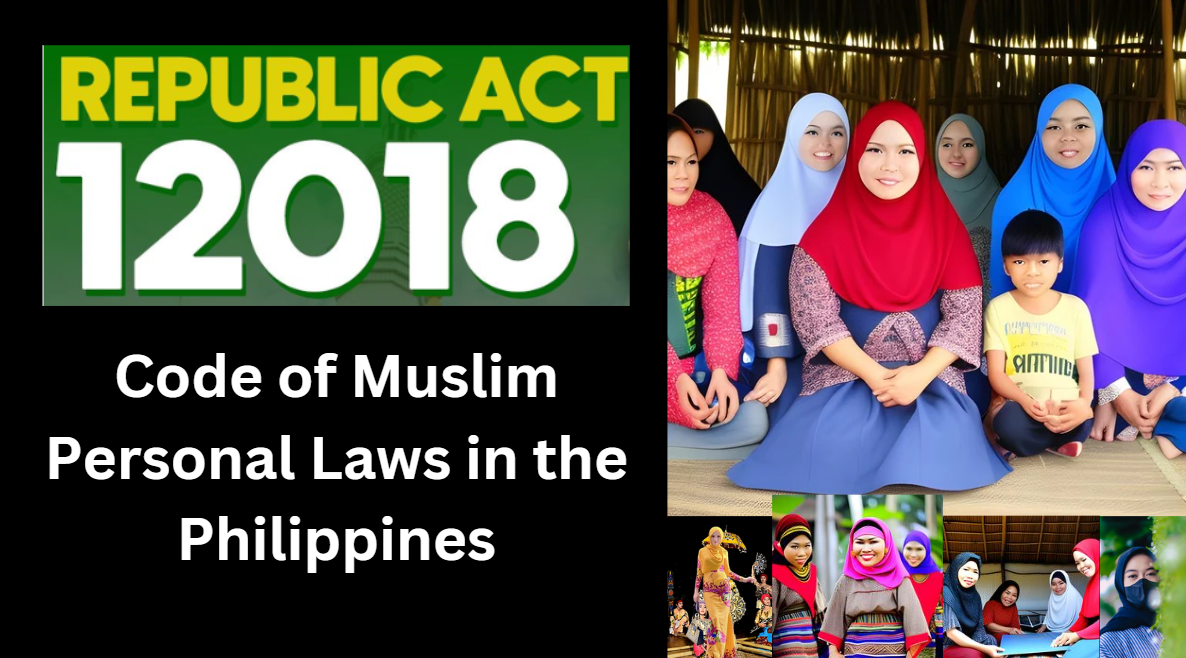
RA 12018 Now Updating the Code of Muslim Personal Laws in the Philippines
The Code of Muslim Personal Laws (CMPL), established in 1977, governs personal and family matters for Muslims in the Philippines, such as marriage, divorce, and inheritance, based on Islamic principles. However, with changing times, there’s a need to modernize these laws to better serve the Muslim community such as Maranao people, Maguindanao, Tausug, Yakan, Sama and other Muslim tribes in the Philippines including the revert Muslims. Senator Robin Padilla has proposed Republic Act No. 12018 (RA 12018) to update and strengthen the Sharia Judicial Districts, CMPL signed. The Code of Muslim Personal Laws in the Philippines Here’s what the act aims to do: 1. Protect Women’s Rights RA 12018 focuses on improving the rights of Muslim women, especially in divorce, inheritance, and child custody cases. 2. Standardize Practices The act seeks to ensure that procedures under the CMPL, like marriage and divorce, are consistent and fair across the board. 3. Strengthen Sharia Courts The proposal includes increasing the number of Sharia courts and improving the training of judges to better handle cases related to Muslim personal laws. 4. Align with Human Rights RA 12018 aims to harmonize Islamic law with international human rights standards, particularly concerning gender equality and children’s rights. Senator Padilla’s initiative is a step toward ensuring that the legal system for Filipino Muslims remains relevant and just, respecting their religious beliefs while protecting their rights. If passed, RA 12018 will help modernize the CMPL, making it more responsive to the needs of today’s Muslim community in the Philippines.