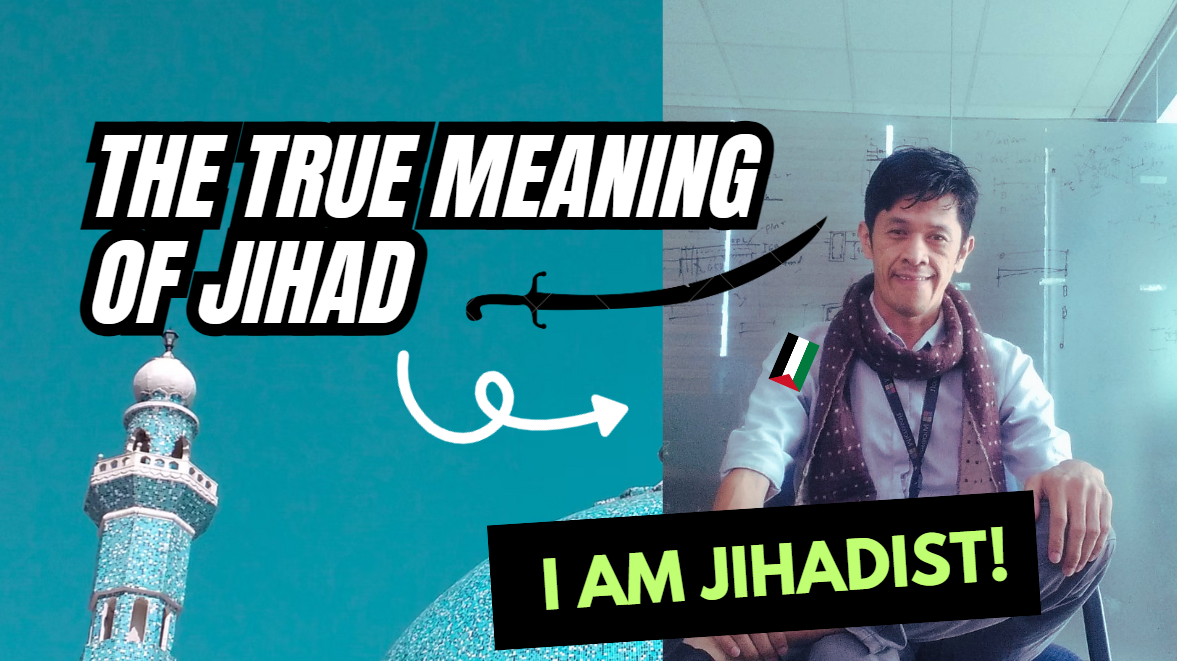
The true meaning of Jihad is a term that has been both widely misunderstood and misrepresented in today’s world. Contrary to popular belief, Jihad does not mean “holy war.” Instead, it refers to a personal and communal struggle in the way of righteousness. In Islam, Jihad encompasses various aspects of life, from spiritual self-improvement to standing against oppression and injustice. The Understanding of the True Meaning of Jihad This aims to clarify the true meaning of Jihad, its types, and its role in Islamic teachings, using references from the Qur’an and Islamic tradition. 5 Characters of Jihadists The concept of Jihad in Islam can be categorized into several distinct forms: Struggle of the Self (Jihad al-Nafs) This is the internal struggle every believer faces against their own desires, temptations, and weaknesses. It is the most important form of Jihad and represents the effort to be a better Muslim, improve one’s character, and follow the path of righteousness. Qur’an Says: وَالَّذِينَ جَاهَدُوا فِينَا لَنَهْدِيَنَّهُمْ سُبُلَنَا ۚ وَإِنَّ اللَّهَ لَمَعَ الْمُحْسِنِينَ (Translation: “And those who strive for Us—We will surely guide them to Our ways. And indeed, Allah is with the doers of good.” —Surah Al-Ankabut, 29:69) This verse emphasizes that those who engage in Jihad (struggle) in the path of Allah will be rewarded with guidance. It highlights that Jihad is not limited to physical conflict but includes striving for moral excellence and spiritual growth. Struggle of the Tongue (Jihad al-Lisan) This refers to speaking the truth, defending justice, and spreading the message of Islam with wisdom and kindness. It is about using one’s voice to advocate for righteousness and resist falsehood. Qur’an Says: وَقُولُواْ لِلنَّاسِ حُسْنًا(Translation: “And speak to people kindly.” —Surah Al-Baqarah, 2:83) This verse encourages believers to use their words for good, underscoring the importance of speech in Islam and its role in Jihad through peaceful means. Struggle of the Pen (Jihad al-Qalam) The intellectual form of Jihad, this involves spreading knowledge, refuting misconceptions, and promoting truth through writing, education, and scholarship. The pen is a powerful tool in advancing the cause of justice and knowledge in society. Qur’an Says: ن وَالْقَلَمِ وَمَا يَسْطُرُونَ(Translation: “By the pen and what they inscribe.” —Surah Al-Qalam, 68:1) This verse highlights the significance of the written word in Islam, encouraging the pursuit of knowledge and the use of intellect to achieve good and resist evil. Struggle of Wealth (Jihad al-Mal) This involves the charitable use of wealth to support those in need and contribute to the welfare of the Muslim community. It is an essential form of Jihad that encourages Muslims to be generous and fight poverty, injustice, and suffering. Qur’an Says: لَن تَنَالُوا الْبِرَّ حَتَّىٰ تُنفِقُوا مِمَّا تُحِبُّونَ(Translation: “You will never attain righteousness until you spend [in the way of Allah] from that which you love.” —Surah Al-Imran, 3:92) This verse encourages Muslims to give charity from what they value most, reminding them that financial generosity is a key aspect of Jihad in supporting the less fortunate. Struggle of the Sword (Jihad al-Sayf) This refers to the physical defense of the Muslim community when under attack. However, it is strictly regulated by Islamic law and can only be carried out under specific conditions such as self-defense, protection of the oppressed, and against tyranny. Qur’an Says: وَقَاتِلُوا فِي سَبِيلِ اللَّـهِ الَّذِينَ يُقَاتِلُونَكُمْ وَلَا تَعْتَدُوا ۚ إِنَّ اللَّـهَ لَا يُحِبُّ الْمُعْتَدِينَ(Translation: “Fight in the way of Allah those who fight you but do not transgress. Indeed. Allah does not like transgressors.” —Surah Al-Baqarah, 2:190) This verse makes it clear that even in times of physical Jihad, Muslims must observe strict ethical guidelines. Fighting is permitted only in defense, and aggression or excess is strictly prohibited. Goals of Jihad The ultimate goals of Jihad are deeply tied to the broader objectives of Islam: to establish justice, promote peace, and guide individuals and societies toward righteousness. Here are some key goals of Jihad: Before Wrapping Up Did You Know? Jihad is Also a Name Did you know that Jihad is not only a concept in Islam but also a common name? In many Muslim cultures, the name Jihad is given to people, symbolizing a commitment to personal and communal struggles for righteousness. One such person is Jihad Saaduddin known as “Jii”, the founder of MuslimSEO.com, a digital marketing platform specializing in helping Muslim businesses, especially in the riches of Bangsamoro Autonomous Region in Muslim Mindanao (BARMM). The Struggles of Jihad Saaduddin Jihad Saaduddin has faced unique challenges throughout his career due to the misconceptions surrounding his name. Working in areas where extremist groups have exploited the concept of Jihad for violent purposes, such as parts of Mindanao in the Philippines, he often finds himself needing to explain the true meaning of his name and the values it represents. In his career as a digital industry in SEO expert, Jihad has used his name as a reminder of his own Jihad al-Nafs — his personal journey of self-improvement, perseverance, and dedication to his work and community. However, as jihadist movements escalated in the regions where he worked, it became an even more delicate struggle to navigate professional spaces. Jihadist Escalation and the Name’s Stigma In regions like Mindanao, where groups such as Abu Sayyaf and other militant organizations have caused instability, the term Jihad became synonymous with violence in the eyes of the global community. This added a layer of complexity to Jihad Saaduddin’s career, as the negative connotations of the term impacted perceptions and professional interactions. Despite this, Jihad continues to pursue his work, providing businesses with digital marketing solutions and SEO strategies that help them thrive. His journey, much like the broader meaning of Jihad, is one of perseverance, dedication, and overcoming obstacles for a greater cause. By building MuslimSEO.com, he has created a platform aimed at uniting Muslim businesses called Saaduddin Portal, promoting Islamic finance, and sharing life stories and struggles—elements that represent the true essence of Jihad. Final Wrap While the world may associate Jihad with conflict due to its misrepresentation,
Why Black Hat SEO is Haram? 3 Authentic Informational Guide
In the digital industry, SEO (Search Engine Optimization) techniques improve business visibility including brand, product or services through websites on search engines. However, not all SEO best practices are ethical. Black Hat SEO, which involves deceptive tactics to manipulate search engine rankings, is considered Haram (forbidden) in Islam. For those looking to delve deeper into effective SEO strategies tailored for Muslim audiences, we highly recommend the ‘Best Comprehensive Guide on How to Do SEO for Muslim Strategy for 2025.’ This guide offers a thorough exploration of the latest trends and best practices for achieving SEO success within the context of Muslim values and interests. Must Read: The 3 Different Types of SEO Masters (Black Hat, White Hat, and Grey Hat) This guide explains why Black Hat SEO is Haram, providing insights into its practices and their alignment with Islamic principles. Why Black Hat SEO is Haram? An Authentic Informational Guide 1. Understanding Black Hat SEO Definition: Black Hat SEO refers to unethical practices used to boost a website’s ranking in search engine results pages (SERPs). These methods violate search engine guidelines and are intended to deceive both the search engine algorithms and users. Common Black Hat SEO Techniques: 2. Why Black Hat SEO is Haram 2.1 Deception and Dishonesty Explanation: Islam places a high value on honesty and integrity. Black Hat SEO involves deception, both towards search engines and users. Using tactics like cloaking and hidden text to mislead search engines and manipulate rankings conflicts with Islamic principles of truthfulness and fairness. Reference: 2.2 Harmful Impact on Users Explanation: Black Hat SEO techniques can harm users by providing them with misleading information or poor-quality content. Islam emphasizes the importance of serving the community with respect and providing value. Misleading users through deceptive SEO practices contradicts this ethical obligation. Reference: 2.3 Violation of Trust Explanation: SEO practices should aim to build trust between the website owner and the audience. Black Hat SEO undermines this trust by manipulating search results, leading to a false sense of credibility. Islam values trust and ethical conduct in all interactions. Reference: 2.4 Short-Term Gains with Long-Term Risks Explanation: Black Hat SEO may offer quick results, but it often leads to severe penalties from search engines, including being banned from search results. This pursuit of short-term gain at the expense of long-term consequences is against the Islamic principle of pursuing sustainable and honest outcomes. Reference: 3. Ethical Alternatives is White Hat SEO Explanation: White Hat SEO aligns with Islamic principles as it involves ethical practices that respect search engine guidelines and user experience. White Hat techniques focus on providing valuable content, optimizing user experience, and building genuine authority. Key White Hat SEO Practices: Conclusion Black Hat SEO is considered Haram because it involves deception, harms users, violates trust, and seeks short-term gains at the expense of long-term consequences. Adhering to ethical SEO practices, such as White Hat SEO, aligns with Islamic values of honesty, integrity, and respect for others. By embracing ethical SEO, businesses and individuals can achieve sustainable success while adhering to their faith’s principles. References: